
Not Every Supervisor Performs the Same Under Pressure
In many kitchens, two supervisors may hold the same certification but perform very differently once operations become busy.
Some are able to keep the team organised, maintain hygiene standards, and handle problems calmly. Others struggle once pressure builds up during service hours.
This is because being a good food safety supervisor involves much more than simply knowing the rules.
In real kitchen environments, supervisors are expected to manage people, respond to unexpected situations, and maintain consistency even when operations become stressful.
Good Supervisors Notice Problems Early
One thing experienced supervisors tend to do well is spotting problems before they become bigger issues.
For example, they may quickly notice:
- Unsafe food handling practices
- Cleaning routines being skipped
- Cross-contamination risks during preparation
- Staff becoming careless during busy periods
These small observations matter because many food safety issues start from repeated minor mistakes rather than one major incident.
Supervisors who react early usually prevent larger operational problems later.
Businesses facing repeated operational gaps may also recognise some of the situations discussed in Why Food Safety Violations Still Happen in Singapore Kitchens.
Staying Calm During Busy Hours Matters a Lot
Kitchen environments can become chaotic during peak periods.
Orders increase, communication becomes faster, and staff are often under pressure to move quickly.
Some supervisors panic when multiple problems happen at once. Others remain calm and focus on solving one issue at a time.
This affects the entire team.
When supervisors stay composed, staff are usually more confident and operations remain more controlled even during stressful situations.
In many workplaces, this ability is valued just as much as technical food safety knowledge.
Communication Is Often More Important Than People Realise
Many kitchen problems happen because instructions are unclear or misunderstood.
A good food safety supervisor is usually someone who can communicate clearly without creating confusion or tension.
This includes being able to:
- Correct mistakes without embarrassing staff
- Give instructions clearly during busy operations
- Remind teams about hygiene practices consistently
- Handle communication between different shifts smoothly
Strong communication helps prevent repeated mistakes and improves overall teamwork.
Experience Usually Changes How Supervisors Handle Problems
New supervisors sometimes focus heavily on enforcing rules exactly as written.
With more experience, many realise that food safety management also requires judgement and flexibility depending on the situation.
For example:
- A busy kitchen may require workflow adjustments
- New staff may need closer supervision
- Certain mistakes may need immediate correction while others require coaching over time
Experienced supervisors usually become better at balancing operational speed with food safety standards.
Reliability Is One of the Most Valuable Traits
In real operations, employers often value reliability more than perfection.
A supervisor who consistently follows procedures, shows up prepared, and maintains stable standards every day is usually far more valuable than someone who performs well only during inspections.
This consistency becomes especially important during:
- Staff shortages
- Peak operating hours
- High-pressure service periods
- Unexpected operational issues
Reliable supervisors help create stability within the team, which directly affects food safety performance.
Good Supervisors Help New Staff Adapt Faster
The first few weeks are often difficult for new kitchen staff.
Without proper guidance, new employees can easily develop bad habits or become overwhelmed by the pace of operations.
Strong supervisors help by:
- Correcting mistakes early
- Explaining procedures clearly
- Reinforcing proper habits consistently
- Helping staff adjust gradually to workplace expectations
This creates a more stable learning environment and improves long-term operational consistency.
Businesses onboarding new employees may also relate to the common situations discussed in What New Food Safety Staff Usually Get Wrong in Their First Month.
Certification Is Important, but Practical Habits Matter Too
Food safety certification remains an important requirement in Singapore’s F&B industry.
However, in daily operations, practical habits often matter just as much as theoretical understanding.
Supervisors who perform well are usually those who can:
- Apply procedures consistently
- Stay observant during operations
- Handle pressure calmly
- Communicate effectively with staff
- Maintain discipline without disrupting workflow
These are qualities that usually develop through real operational experience over time.
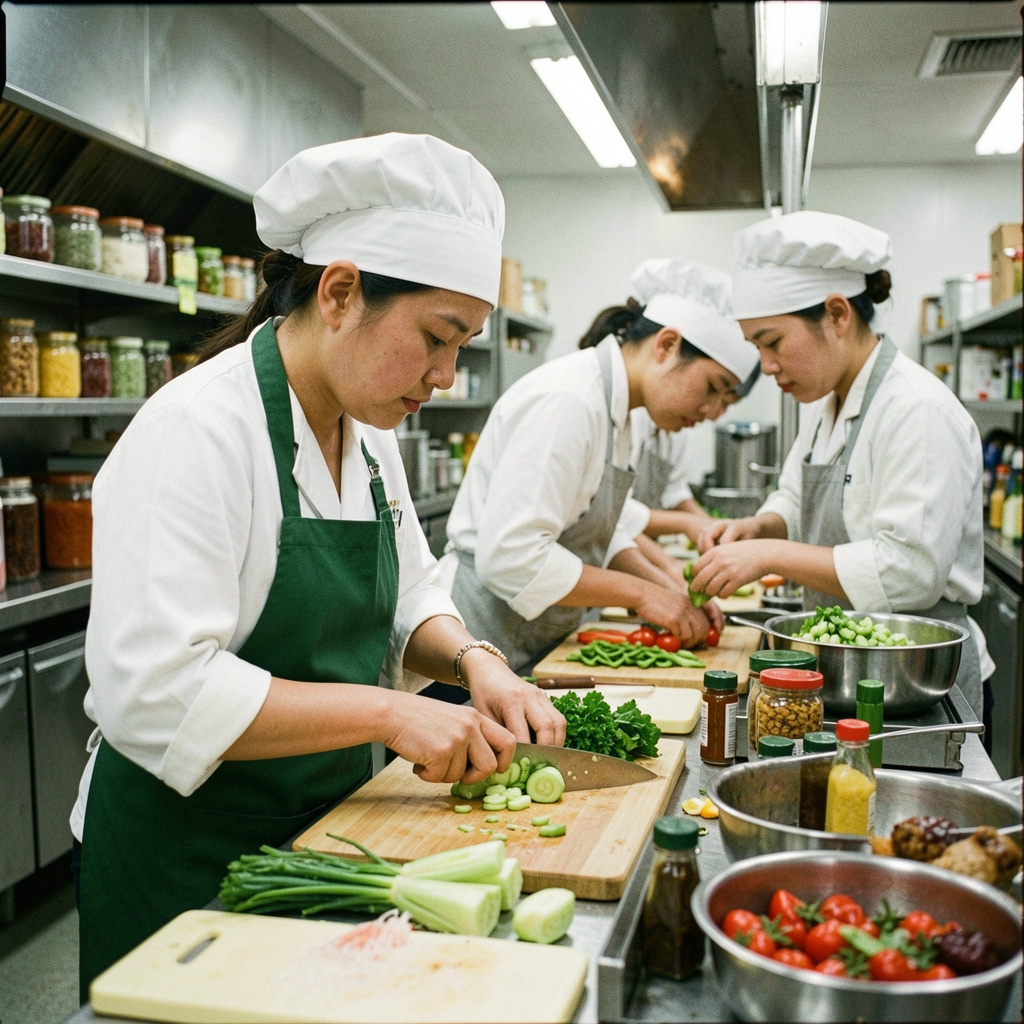
Good Supervision Is About More Than Following Rules
A good food safety supervisor does much more than monitor hygiene practices.
In real kitchen operations, supervisors help maintain stability, guide team behaviour, and prevent small mistakes from becoming larger operational issues.
While certification provides important foundational knowledge, strong communication, calm decision-making, and consistent workplace habits are often what truly make supervisors effective in practice.
For professionals looking to strengthen both operational understanding and supervisory skills, structured Food Safety Level 3 training programmes can help build stronger workplace confidence and long-term readiness.