
IMPORTANT NOTICE: From 1 October 2023, all learners attending SkillsFuture Singapore's (SSG) funded courses must take their attendance digitally via the Singpass App.

Blog

FROM OUR BLOG

Our Latest Info & News

Vegetation Planting Course for Beginners: What You Learn in Level 1

Many people are interested in plant-based living or urban farming, but don’t really know where to begin.
There’s a lot of information online, and it’s easy to jump straight into more advanced techniques without understanding the basics. That usually leads to frustration — plants don’t grow as expected, or worse, they don’t survive.
This is why starting with a structured beginner course like Vegetation Planting Level 1 can make the learning process much clearer and more manageable.

Read More

Why Hands-On Training Is More Effective Than Classroom Learning: Aerial Camera Operations

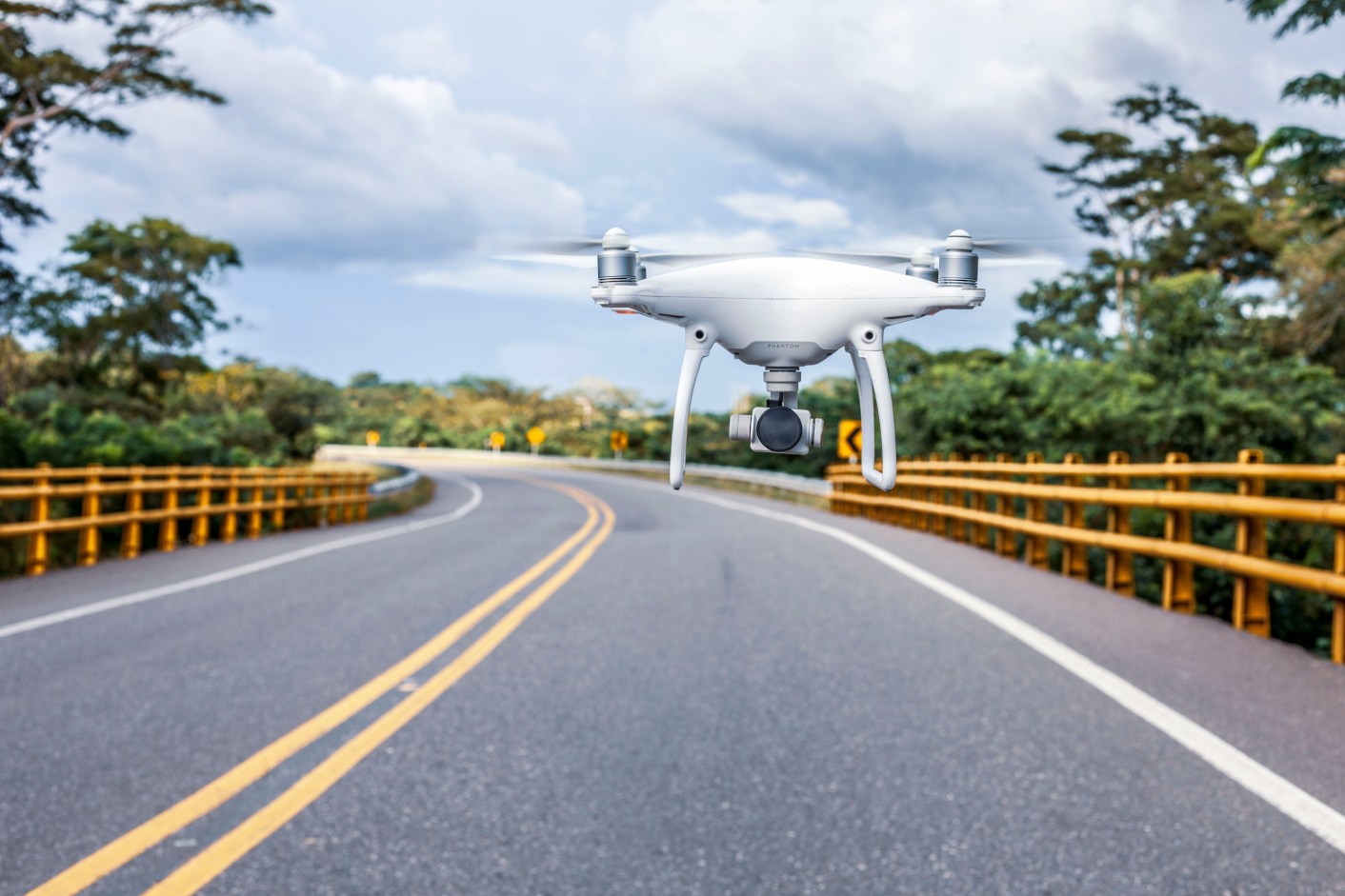
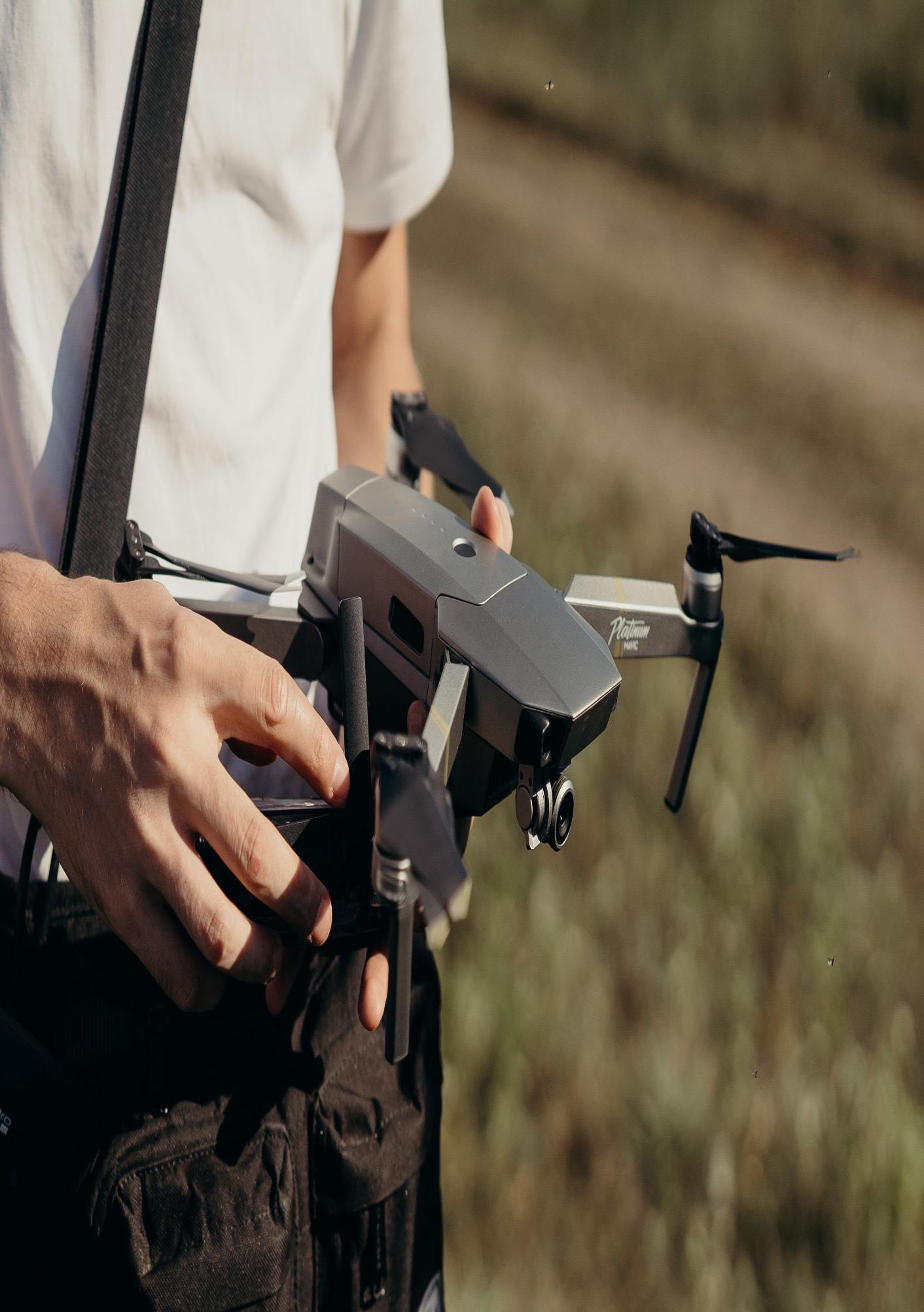
In technical fields like drone operations, real-world performance depends on execution, not just theoretical knowledge. While classroom learning provides foundational concepts, it often cannot prepare learners for the dynamic challenges of operating drones in real environments.
The solution? Hands-on training, such as Xprienz’s Aerial Camera Operations course, where learners apply theory directly through practical experience.

Read More

When Should You Upgrade Your Food Safety Certification In Singapore?

In Singapore’s food industry, food safety certification is not just a requirement — it directly reflects your level of responsibility at work.
Many professionals remain at the same certification level longer than necessary, often because they are unsure when the right time to upgrade actually is.
If you are starting to take on more responsibilities, manage others, or get involved in compliance processes, it may be a strong signal that your current certification level no longer matches your role.

Read More

How Long Does Food Safety Certification Take in Singapore? (Full Timeline Guide)

For anyone working in food preparation, catering, or food manufacturing in Singapore, food safety certification is often a necessary step for career development.
However, one of the most common questions people ask before enrolling in a course is simple:
“How long will it take to complete the certification?”
The answer depends on several factors, including the certification level, the training format, and your current work situation. Understanding these timelines helps professionals plan their schedules and choose the most suitable learning path.

Read More

What Happens During a Food Safety Audit in Singapore?

For many food businesses in Singapore, a food safety audit can feel stressful — especially if you’re unsure what inspectors are really looking for.
While audits are often seen as formal inspections, in reality, they are a practical evaluation of how food safety is managed on a daily basis.
Understanding what actually happens during an audit helps reduce uncertainty and allows teams to prepare more effectively.
This guide explains what auditors typically observe, where businesses commonly fall short, and why proper training plays a critical role in passing audits.

Read More

Flower Harvesting and Handling Skills in Singapore: From Basics to Professional Practice

Flower harvesting may seem simple at first glance, but in professional environments, it directly affects product quality, customer satisfaction, and business outcomes.
In Singapore’s growing floriculture and event industry, flower harvesting and handling skills are not just creative — they are operational skills. Timing, technique, and consistency determine whether flowers last hours or days.

Read More

Food Safety Level 3 vs Level 4: Managing Compliance or Owning Risk?

When professionals in Singapore’s F&B industry consider upgrading from Food Safety Level 3 to Level 4, the assumption is often that the next level simply means deeper technical knowledge.

It does not.

The real difference between Food Safety Level 3 and Level 4 in Singapore lies in one critical question:

Are you responsible for ensuring compliance — or accountable when the system fails?

Read More