
Drone photography has transformed how we capture images from above. Beyond flying a drone, producing quality aerial visuals requires proper control, planning, and camera operation.
For beginners, learning drone photography is not just about creativity — it is about developing aerial camera operations skills that combine safe flight, technical camera control, and visual composition. With increasing interest in drone-based visuals in Singapore, understanding these fundamentals is the first step toward responsible and professional aerial work.
This guide outlines the core skills every beginner should learn to build confidence in drone photography and aerial camera operations.
before committing time and resources.
1. Understand Your Drone and Camera System
Before focusing on photography, beginners must understand how their drone and camera system work together.
Key areas to learn include:
- Camera resolution, lens type, and gimbal stabilisation
- Battery life and flight limitations
- GPS and positioning features
- Obstacle sensing and stability systems
Understanding these elements helps beginners plan flights realistically and operate equipment safely. operational roles.
2. Build Strong Flight Control Fundamentals
Stable flight is the foundation of good aerial photography.
Beginners should practise:
- Controlled take-off and landing
- Hovering steadily at different altitudes
- Smooth directional movement
- Managing speed and altitude consistently
Practising these skills in controlled environments builds confidence and reduces the risk of sudden movements that affect image quality.
Structured hands-on training helps beginners develop correct habits early, especially when learning aerial camera operations in real-world scenarios.
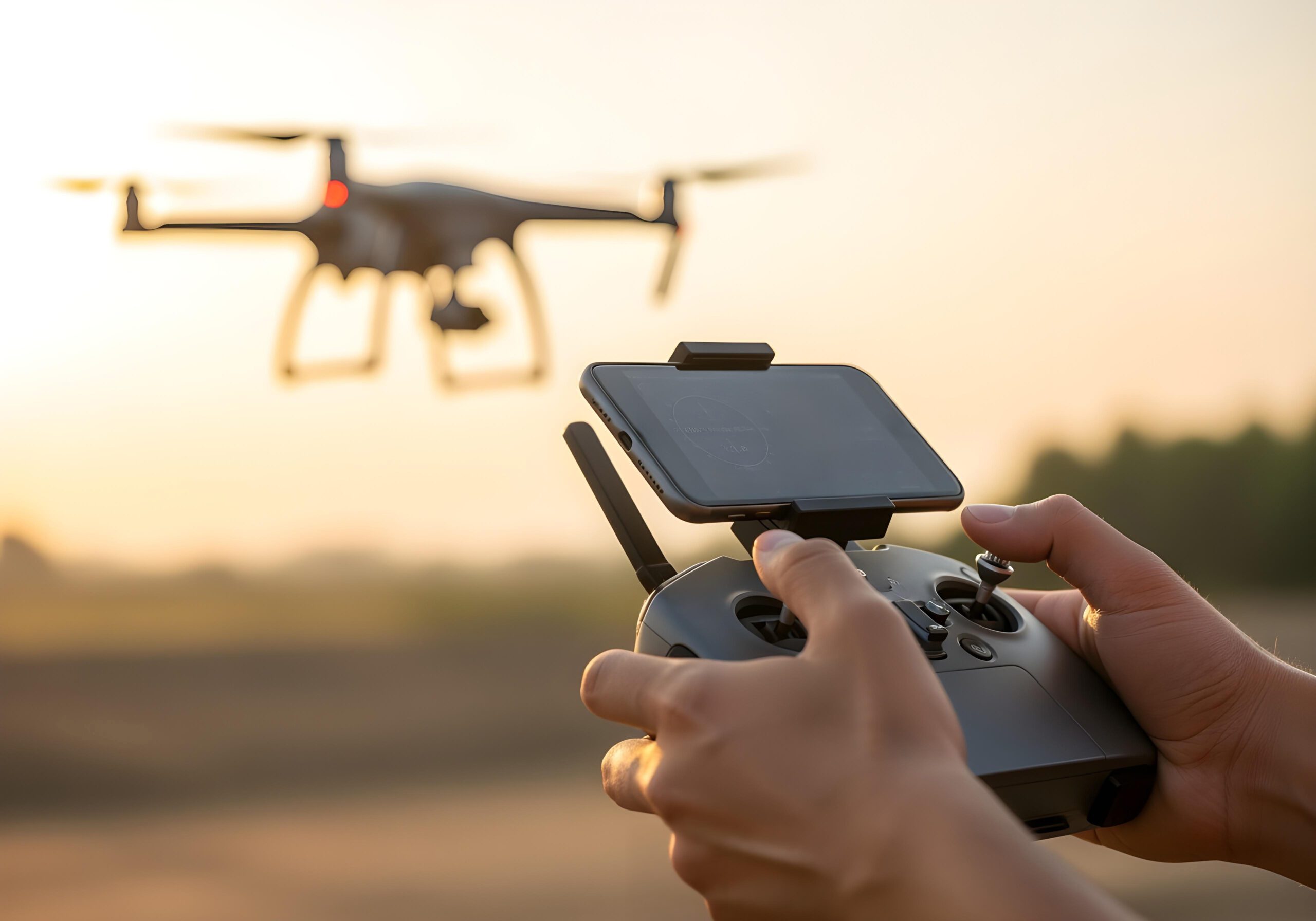
3. Learn to Control Camera Settings
Aerial photography requires more than automatic camera modes.
Beginners should understand:
- How ISO, shutter speed, and aperture affect exposure
- Adjusting settings based on lighting conditions
- Using manual settings to control motion blur and sharpness
Learning how camera settings interact with drone movement is essential for producing clear, professional-looking visuals.ng.
4. Plan Flight Paths and Shots
Good aerial visuals are planned before the drone takes off.
Key planning skills include:
- Assessing the environment and surroundings
- Considering lighting, shadows, and weather conditions
- Designing smooth flight paths
- Planning camera angles and movement
Flight planning improves safety and allows beginners to capture more intentional, visually engaging shots.
5. Apply Aerial Composition Techniques
Composition plays a major role in aerial photography.
Beginners should practise:
- Using the rule of thirds from an aerial perspective
- Identifying patterns, symmetry, and textures
- Creating depth with foreground and background elements
- Framing subjects clearly from above
These techniques help transform simple aerial images into visually compelling visuals.
6. Follow Safety and Regulatory Requirements
Safe and responsible operation is a critical part of aerial camera operations.
Beginners must understand:
- The importance of operating within approved guidelines
- Maintaining awareness of surroundings
- Conducting pre-flight safety checks
- Communicating and planning responsibly for aerial activities
Rather than memorising rules, proper training helps beginners develop safe operating habits that apply across different environments.
Conclusion
Drone photography is not just about flying higher or owning better equipment. It is about combining flight control, camera operation, planning, and safety into one cohesive skillset.
By mastering these foundational aerial camera operations skills, beginners can produce stronger visuals while operating confidently and responsibly.
👉 Ready to build proper aerial camera skills through hands-on training? Explore XpRienz Aerial Camera Operations courses
and learn how to operate camera-equipped drones safely and professiona