
Getting a cake, loaf of bread or batch of pastries right once can feel like a big achievement.
But what happens when you need to make it again?
The second batch may look slightly different. The texture may not be quite the same, or the product may bake differently even though you followed the same recipe.
This is where consistency becomes important.
For anyone learning to bake, producing a good result once is encouraging. Being able to repeat that result again and again requires a deeper understanding of the process, attention to detail and plenty of practice.
A Good Result Once Is Not Always Enough
When beginners achieve a successful bake, it is easy to think they have mastered the recipe.
However, baking involves many factors that can affect the final result. Small changes in measurement, mixing, temperature, timing or handling can lead to noticeable differences.
This means that success is not simply about getting one good result.
A skilled baker should be able to understand what contributed to that result and repeat the process with similar outcomes.
That takes time to develop.
Why Small Differences Matter
Consistency often comes down to details that may not seem important at first.
The amount of an ingredient, the way a mixture is handled or the temperature at a particular stage can all affect the finished product.
Even the way ingredients are prepared can make a difference.
For example, ingredients that are measured differently from one batch to another may change the texture or structure of the final product. Similarly, differences in mixing or baking time can affect the appearance and consistency.
These details become easier to recognise as bakers gain more experience.
Technique Matters as Much as the Recipe
A recipe can provide the same instructions every time, but the person following it may not always perform each step in exactly the same way.
How ingredients are mixed, how dough is handled and how a product is prepared for baking can all influence the final outcome.
This is why developing proper technique is so important.
Instead of simply remembering what to do, bakers need to understand how to perform each step correctly and consistently.
Over time, repeated practice helps turn these techniques into reliable habits.
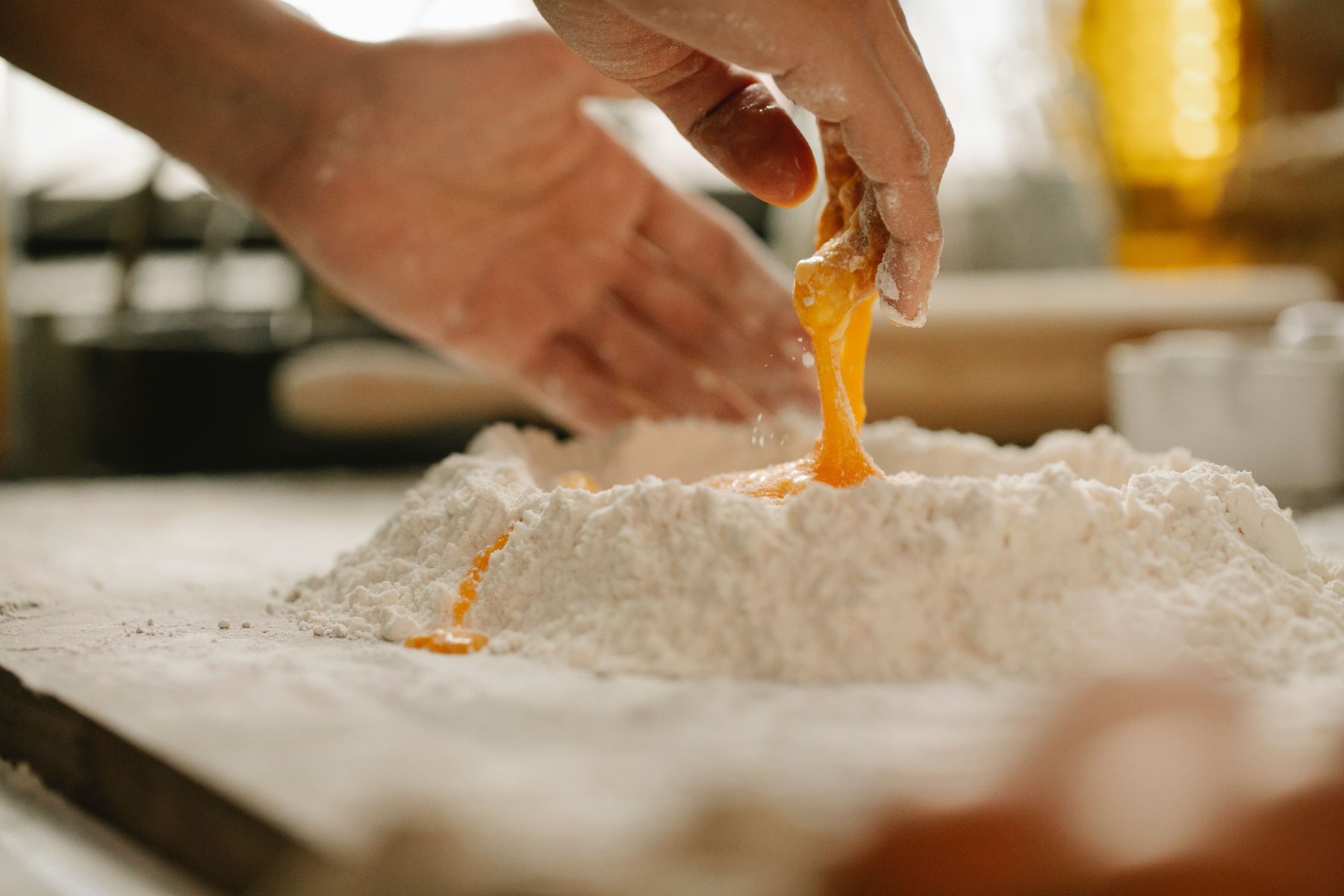
Consistency Requires Attention to Detail
Professional baking often involves producing multiple batches that need to meet the same standard.
Customers expect the products they purchase to look and taste consistent. A bakery also needs to manage its ingredients, time and production efficiently.
This makes consistency more than just a personal goal. It becomes part of maintaining quality.
Bakers need to pay attention to details throughout the process, from preparation and portioning to baking and finishing.
The more familiar they become with the process, the easier it is to identify when something is slightly different and make the necessary adjustments.
Experience Helps You Recognise What Needs to Change
Not every difference means that something has gone wrong.
Experienced bakers learn to distinguish between normal variation and a problem that needs attention.
They may notice that a mixture feels different, that dough is behaving differently or that a product is developing faster than expected.
Instead of relying only on written instructions, they use their experience to assess the situation and decide what to do next.
This kind of judgement takes time to develop because it comes from working with the process repeatedly.
Practice Builds More Than Confidence
Regular practice is often associated with becoming more confident, but it also helps develop consistency.
Each attempt gives learners another opportunity to observe what happens, identify differences and improve their technique.
With enough practice, tasks that once required a lot of concentration can become more familiar.
This allows bakers to focus on the quality of their work rather than simply trying to remember every step.
For learners who want to strengthen their foundation, structured baking training can provide opportunities to practise techniques repeatedly under guidance.
Consistency Is a Skill That Develops Over Time
There is no shortcut to becoming consistent at baking.
It comes from understanding the process, practising techniques and paying attention to what happens from one batch to the next.
Mistakes are still part of the learning process, but each mistake can provide useful information.
Eventually, bakers become better at controlling the factors they can control and recognising when something needs to be adjusted.
That is when baking starts to become more predictable.
Final Thoughts
Consistency is one of the clearest signs that someone is developing real baking skills.
Making something successfully once is a good start, but being able to achieve a similar result repeatedly requires much more than simply remembering a recipe.
It takes attention to detail, proper technique, practical experience and the ability to recognise what may be affecting the final result.
For beginners, this may take time. With regular practice and the right guidance, however, consistency becomes easier to achieve.
In the end, becoming a better baker is not just about learning more recipes. It is about developing the skills needed to produce reliable results every time.
Ready to Build Your Baking Skills?
Developing consistency takes practice, guidance and the opportunity to apply techniques repeatedly.
At XpRienz, our baking training provides hands-on learning that allows participants to develop practical skills and become more confident in the baking process.
Whether you are building your skills from the basics or looking to improve your existing techniques, practical training can help you develop a stronger and more reliable foundation.