
A Growing Focus on Sustainability
Over the past few years, sustainability has become an increasingly important topic across many industries in Singapore. Businesses, government agencies, and communities are paying closer attention to how resources are managed, how green spaces are maintained, and how environmental goals can be supported through practical action.
As a result, there has been growing interest in what are commonly known as green skills.
While the term may sound technical, green skills often refer to practical knowledge and abilities that help support environmental sustainability. These can range from urban farming and plant care to landscaping, horticulture, and environmental management.
As Singapore continues investing in greener infrastructure and sustainable development, these skills are becoming more relevant than ever.
What Are Green Skills?
Green skills are abilities that contribute to environmental sustainability and responsible resource management.
Depending on the industry, they may include:
- Plant identification and care
- Vegetation planting and maintenance
- Urban farming techniques
- Landscaping practices
- Environmental conservation knowledge
- Sustainable resource management
While some green skills are highly specialised, many begin with understanding how plants grow, how ecosystems function, and how environmental conditions affect plant health.
These foundational skills often support more advanced learning and career opportunities later on.
Why Demand for Green Skills Is Increasing
One reason green skills are becoming more valuable is that sustainability is no longer limited to environmental organisations.
Today, sustainability considerations influence a wide range of sectors, including:
- Landscaping and horticulture
- Property and facilities management
- Urban farming initiatives
- Community greening projects
- Environmental services
As organisations place greater emphasis on environmental responsibility, individuals with practical plant-related knowledge are becoming increasingly valuable in supporting these efforts.
Green Skills Are Not Just for Industry Professionals
A common misconception is that green skills are only useful for people working in landscaping or agriculture.
In reality, many people develop green skills for personal interest, lifestyle improvement, or community involvement.
For example, learning basic plant care can help individuals:
- Maintain home gardens more successfully
- Understand plant health and growth requirements
- Reduce common gardening mistakes
- Participate in community gardening projects
These skills can be applied in everyday life, even without professional experience in the sector.
Many beginners start by developing foundational knowledge before exploring more advanced topics such as urban farming or plant identification.
Practical Skills Often Matter More Than People Realise
One reason many people struggle when starting plant-related activities is that they rely heavily on trial and error.
For example, beginners often assume that all plants require similar care, only to discover that different species have different environmental needs.
Without basic plant knowledge, common issues can occur, such as:
- Overwatering or underwatering
- Incorrect plant placement
- Poor soil selection
- Difficulty identifying plant health problems
Developing practical green skills helps reduce these mistakes and improves confidence when caring for plants.
Individuals looking to build these foundational skills may find useful insights in Vegetation Planting Course for Beginners: What You Learn in Level 1.
Green Skills Can Support Career Development
For some individuals, green skills can also support long-term career growth.
As green spaces become a larger part of urban development, employers increasingly value people who understand plant characteristics, maintenance requirements, and environmental conditions.
Plant-related knowledge may be useful in areas such as:
- Landscaping
- Horticulture
- Urban farming
- Environmental education
- Facilities and grounds management
While not every learner intends to pursue a career in these fields, developing practical skills can create opportunities that may not have been considered previously.
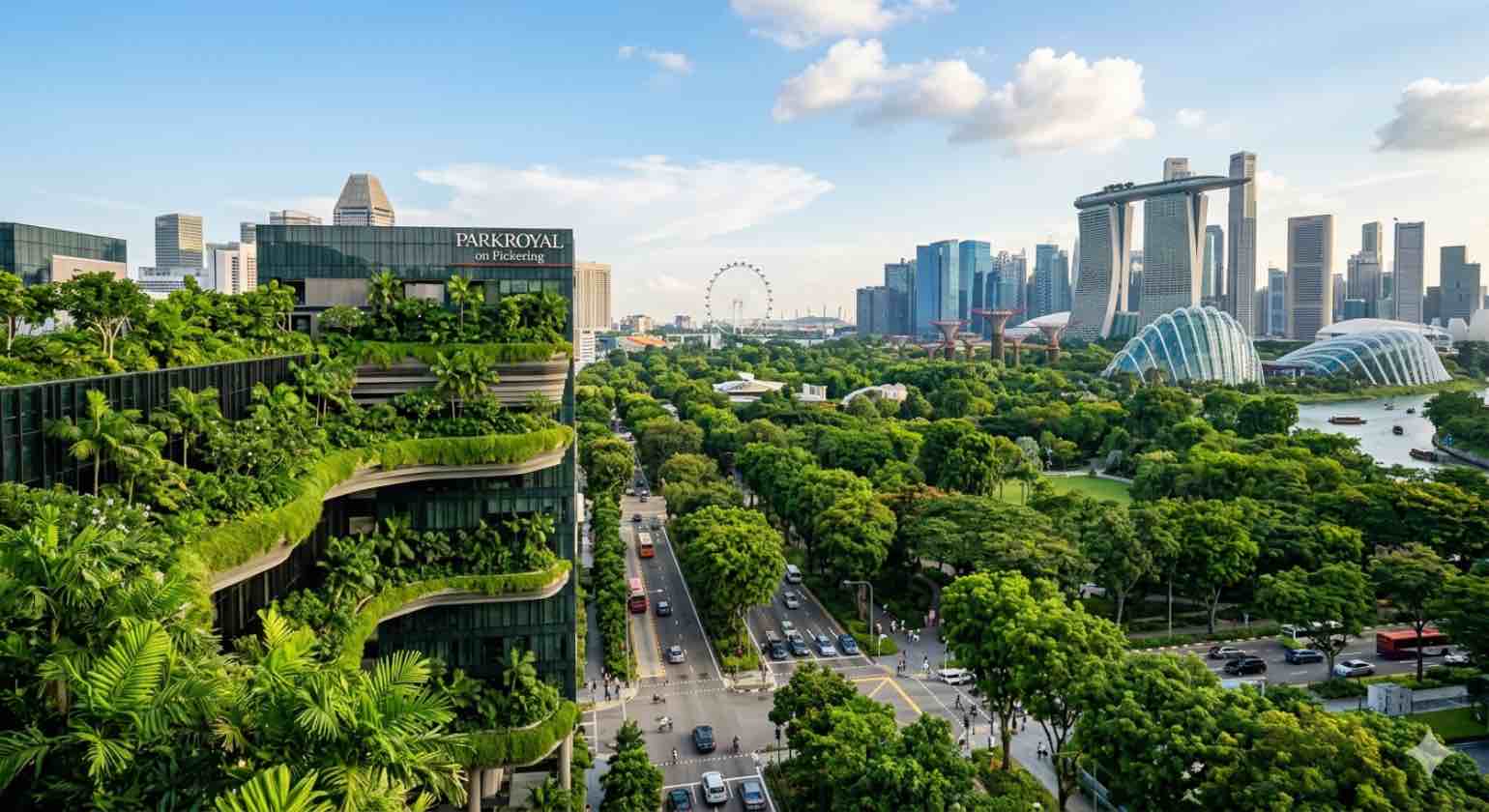
Green Skills Start with Strong Foundations
Many advanced environmental and plant-related skills begin with understanding the basics.
Learning how to identify plants, understand their growth habits, and provide appropriate care creates a strong foundation for future learning.
Rather than rushing into complex techniques, developing practical knowledge step by step often leads to better long-term outcomes.
This is especially true for beginners who want to build confidence before taking on larger gardening, landscaping, or urban farming projects.
Small Skills Can Have a Bigger Impact Than Expected
Green skills are becoming increasingly valuable as sustainability becomes a larger part of modern life and work.
Whether used for personal interests, community involvement, or career development, practical plant-related knowledge helps individuals better understand and engage with the environment around them.
While the concept of green skills may seem broad, many journeys begin with simple foundations such as understanding plants, their characteristics, and how they grow.
For individuals interested in building these foundational skills, structured training in areas such as vegetation planting and plant identification can provide a practical starting point for further learning and development.