
Where Should Beginners Start with Plant-Based Skills?
Many people are interested in plant-based living or urban farming, but don’t really know where to begin.
There’s a lot of information online, and it’s easy to jump straight into more advanced techniques without understanding the basics. That usually leads to frustration — plants don’t grow as expected, or worse, they don’t survive.
This is why starting with a structured beginner course like Vegetation Planting Level 1 can make the learning process much clearer and more manageable.
Understanding Vegetation Planting as a Starting Point
Vegetation planting is often the first step for anyone looking to build plant-related skills. It covers the fundamentals of how plants grow, what they need to survive, and how different environmental factors affect them.
In Singapore, these skills are not only useful for personal interest, but are also widely applied in landscaping, horticulture, and maintenance roles. Because of that, having a proper foundation can be valuable whether you’re exploring it as a hobby or considering it as a skillset for work.
Rather than overwhelming beginners, Level 1 focuses on building a base that everything else builds on.
What You Actually Learn in Vegetation Planting Level 1
At this level, learners are introduced to the core elements of plant care, including:
- Soil preparation
- Watering techniques
- Light exposure and positioning
- Basic plant maintenance
These are simple concepts on paper, but they are often where beginners make mistakes.
For example, overwatering, using the wrong type of soil, or placing plants in unsuitable light conditions are common reasons plants fail early. Learning these basics properly helps prevent these issues from happening repeatedly.
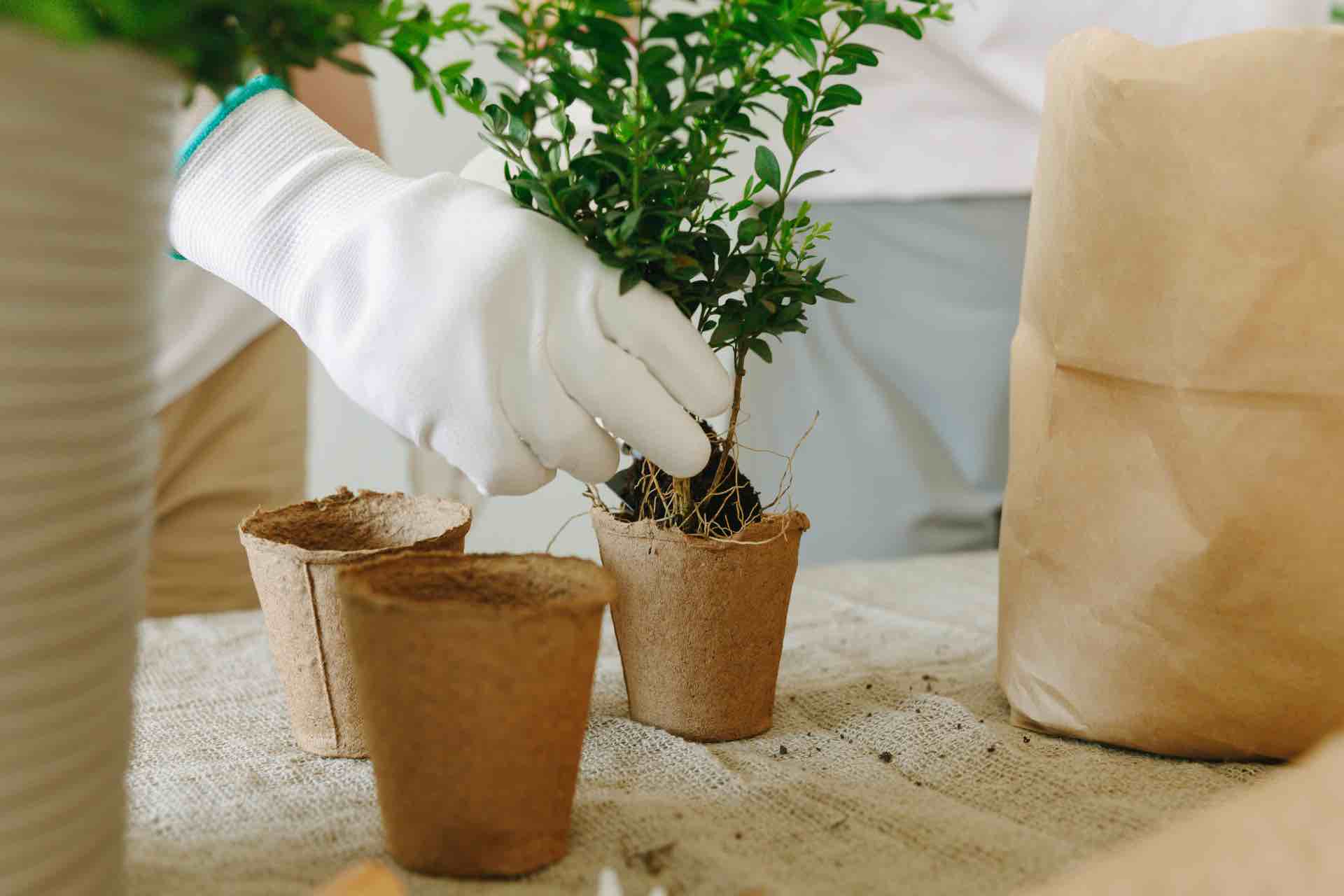
The course places strong emphasis on hands-on practice, so learners are not just understanding the concepts, but actually applying them in a structured environment.
Why Starting with the Right Foundation Matters
A common mistake is starting too advanced, too quickly.
Without understanding how plants behave, it becomes difficult to troubleshoot problems or maintain consistency. What seems like a small mistake — like incorrect watering or poor soil choice — can lead to plant loss over time.
Building a proper foundation helps avoid this. It also makes it easier to progress into more advanced techniques later, because the basics are already stable.
Who This Course Is Suitable For
This course is suitable for individuals who:
- Have little to no experience in plant care
- Want to start gardening or urban farming
- Prefer structured, step-by-step learning
- Learn better through hands-on practice
Who This May Not Be Suitable For
This course may not be suitable if you:
- Already have experience managing plants
- Are looking for more advanced planting techniques
- Prefer self-learning without structured guidance
Learning Through Practice, Not Just Theory
One key difference with structured training is the focus on doing, not just understanding.
Instead of only learning concepts, learners practise planting techniques in a controlled environment. This helps build confidence early, especially for those who have never handled plants before.
In many structured programmes, learners are also assessed to ensure they can apply what they’ve learned correctly. This adds an extra layer of confidence, as it shows that the skills are not just understood, but can be performed consistently.
The Real-Life Benefits of Learning Plant Fundamentals
After building a foundation, learners are usually able to manage basic plant care more independently.
This includes maintaining small home setups, understanding plant needs, and avoiding common mistakes that lead to plant failure.
At the same time, these skills are also relevant in real working environments, where proper planting techniques help maintain plant health, reduce unnecessary loss, and ensure consistent results in landscaped spaces.
Conclusion — Starting with the Right First Step
Vegetation Planting Level 1 is designed to be a practical starting point for anyone new to plant-related skills.
It focuses on building a solid foundation rather than rushing into advanced techniques, which helps make the learning process smoother and more effective over time.
If you’re considering getting into plant-based activities — whether as a personal interest or as a skill you want to develop further — starting with a structured, hands-on course can give you a clearer and more confident beginning.