
Why Do Mistakes Increase During Busy Hours?
Many food safety mistakes do not happen because employees completely forget the rules.
In reality, most problems happen during busy periods when staff are rushing, multitasking, and trying to keep up with operational demands.
Even experienced employees can begin skipping steps unintentionally once pressure increases.
This is why some kitchens operate smoothly during quiet periods but struggle to maintain the same standards once service becomes hectic.
Understanding how pressure affects human behaviour is an important part of improving food safety consistency in real working environments.
The Brain Functions Differently Under Pressure
During stressful situations, people naturally focus on completing immediate tasks as quickly as possible.
In kitchen operations, this often means employees prioritise:
- Speed
- Order completion
- Workflow efficiency
- Customer wait times
When this happens, smaller procedural steps may receive less attention.
For example, staff may:
- Forget temperature checks
- Skip parts of cleaning routines
- Handle gloves incorrectly
- Miss proper separation between food items
These actions are usually not intentional. They happen because attention becomes narrowed under pressure.
Repetition Does Not Always Mean Consistency
Some businesses assume that repeating procedures regularly automatically guarantees consistency.
However, human behaviour becomes less predictable when fatigue and stress are introduced.
Even experienced employees may become inconsistent when:
- Kitchens are understaffed
- Service periods become unusually busy
- Staff work long shifts without breaks
- Multiple problems happen simultaneously
This is one reason why food safety procedures that work well “on paper” may still fail during real operations.
Fatigue Quietly Affects Decision-Making
Fatigue is one of the most overlooked factors in food safety performance.
Employees who are physically tired often become less observant and more likely to rely on shortcuts without realising it.
Small lapses in judgement become more common, especially during the later parts of long shifts.
For example:
- Cleaning routines may become rushed
- Storage procedures may be forgotten
- Staff may stop noticing hygiene risks around them
Over time, these repeated small lapses create larger operational risks.
Workplace Habits Usually Matter More Than Reminders
Constantly reminding employees about food safety is not always enough.
In many kitchens, the real difference comes from workplace habits that have already been built into daily operations.
Teams with stronger habits usually:
- Follow procedures automatically
- Communicate problems quickly
- Correct mistakes earlier
- Maintain consistency even during peak periods
This is why operational culture often matters more than occasional reminders or temporary enforcement.
Businesses struggling with repeated inconsistencies may also recognise some of the operational patterns discussed in why food safety violations still happen in Singapore kitchens.
New Employees Often Feel Pressure to Keep Up
New staff are especially vulnerable during busy periods.
Many feel pressure to match the pace of more experienced team members, even before they fully adapt to workplace procedures.
As a result, they may:
- Focus more on speed than accuracy
- Hesitate to ask questions
- Copy incorrect habits from others
- Panic when multiple instructions happen at once
This is why the first few months are often critical in shaping long-term workplace habits.
Supervisors supporting newer employees may also recognise some of the situations discussed in what new food safety staff usually get wrong in their first month.
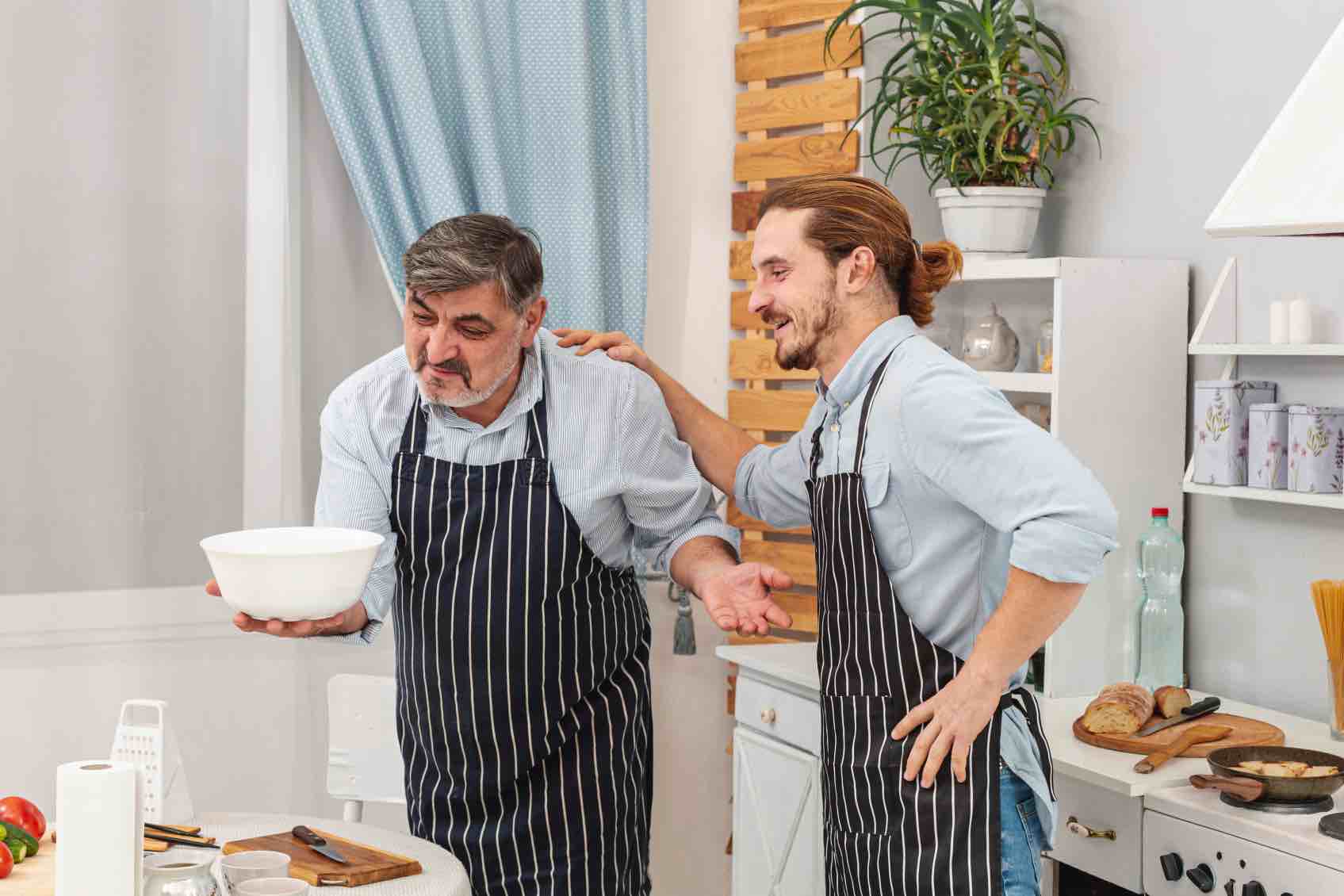
Calm Supervision Reduces Mistakes Significantly
The behaviour of supervisors during stressful situations affects the entire kitchen environment.
When supervisors panic, communication often becomes rushed and unclear.
However, calm supervisors usually help teams:
- Prioritise tasks more clearly
- Maintain hygiene routines more consistently
- Avoid unnecessary confusion
- Recover faster from operational problems
This is one reason why strong supervisors are valued not only for technical knowledge, but also for their ability to manage pressure.
Teams developing stronger supervisory capability may also benefit from understanding what makes a good food safety supervisor in real kitchen operations.
Why Practical Training Helps Build Better Habits
Food safety knowledge alone is often not enough during real operations.
Employees perform more consistently when procedures become familiar through repeated practical exposure.
Hands-on training helps staff:
- Apply procedures under realistic conditions
- Build confidence through repetition
- React more calmly during busy periods
- Develop stronger operational habits over time
This helps reduce the gap between theoretical understanding and actual workplace behaviour.
Pressure Reveals Operational Weaknesses
Busy periods often reveal whether food safety practices are truly part of daily operations or only followed during quieter moments.
Most employees do not intentionally ignore food safety procedures. More often, pressure, fatigue, and inconsistent workplace habits slowly affect behaviour during demanding situations.
Businesses that invest in stronger onboarding, calmer supervision, and practical workplace training are usually more successful at maintaining food safety standards consistently over time.
For teams looking to strengthen workplace consistency under real operational pressure, structured food safety training programmes can help build stronger habits, communication, and long-term operational confidence.