
Reconnecting with Nature in a Fast-Paced City
Singapore is known for being one of the world’s most modern and efficient cities.
However, modern city living often means spending most of the day indoors, surrounded by screens, schedules, and constant activity.
Urban farming provides a simple way to reconnect with natural processes that are often overlooked in daily life.
Watching a seed germinate, caring for a plant over time, or harvesting something you have grown yourself creates a different kind of satisfaction that many people rarely experience in their normal routines.
People Want to Understand Where Food Comes From
Another reason urban farming is attracting interest is growing awareness around food systems and sustainability.
Many people today are becoming more curious about:
- How food is produced
- What plants need to grow
- The resources involved in food production
- Sustainable growing practices
Urban farming allows individuals to experience these processes firsthand, even on a small scale.
Growing a few herbs or vegetables often creates a greater appreciation for the work involved in producing food.
Small Spaces Can Still Be Productive
One common misconception is that urban farming requires a large garden or outdoor land.
In reality, many people start with:
- Balcony planters
- Small raised beds
- Vertical growing systems
- Indoor growing setups
Modern urban farming techniques allow people to grow a variety of plants even in compact spaces.
This accessibility has helped make urban farming more appealing to city residents who may have limited room available.
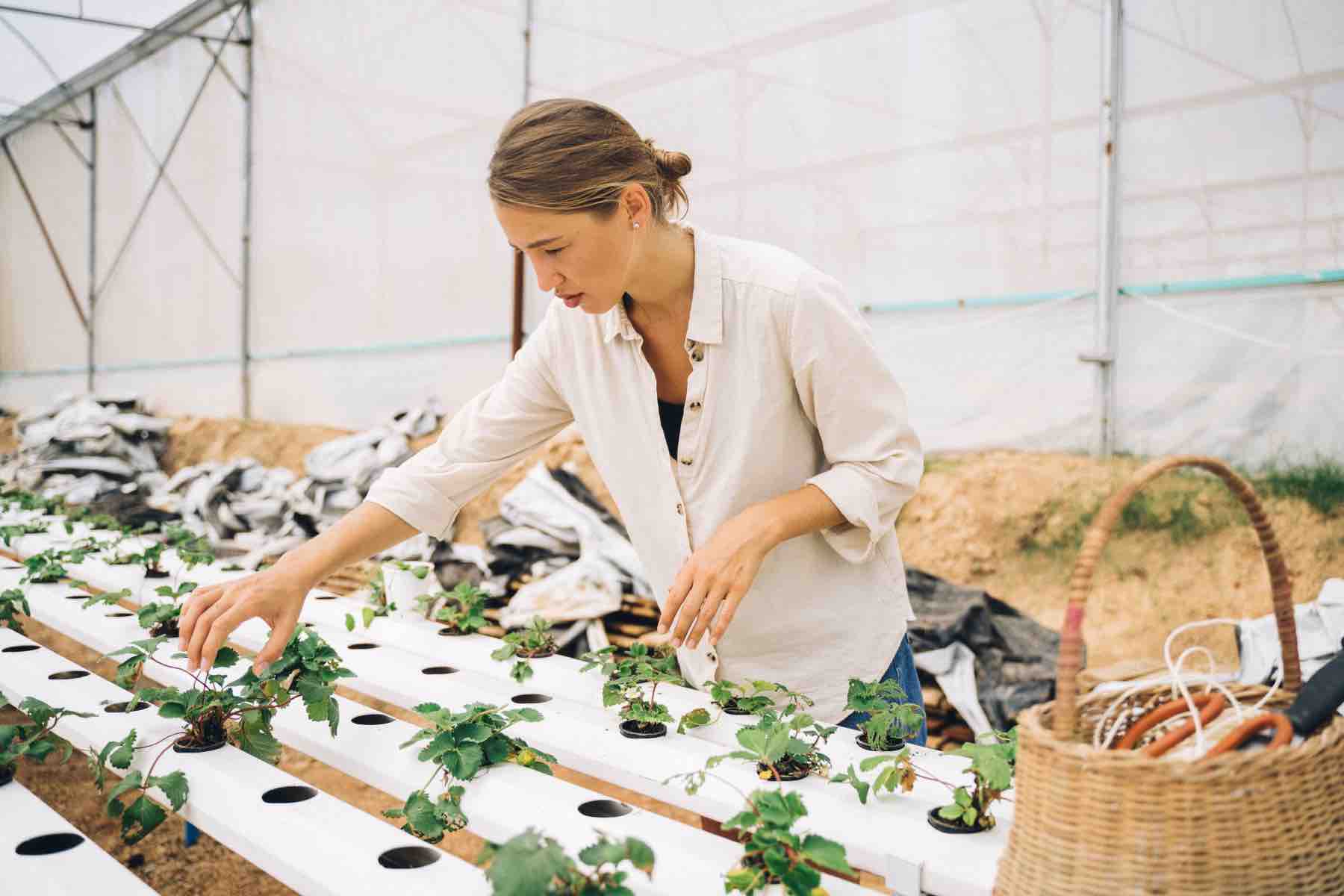
Learning New Skills Through Hands-On Experience
Many people initially become interested in urban farming because they want to learn something practical.
Unlike activities that are purely theoretical, urban farming encourages hands-on learning.
Participants often develop skills related to:
- Plant care
- Soil management
- Watering techniques
- Environmental observation
These skills not only improve growing success but also help individuals develop a better understanding of how plants respond to different conditions.
People looking to build these foundations may also find useful insights in Vegetation Planting Course for Beginners: What You Learn in Level 1.
Urban Farming Encourages Patience and Consistency
One reason many people continue urban farming long after they start is that it encourages habits that are increasingly rare in modern life.
Plants do not respond instantly.
They require:
- Regular attention
- Observation
- Patience
- Consistency
For many individuals, this slower pace provides a welcome contrast to the fast-moving nature of everyday work and technology.
Over time, the process itself often becomes just as rewarding as the final harvest.
A Community Is Growing Around Urban Farming
Urban farming is also becoming more social.
Across Singapore, community gardens and growing initiatives allow people with shared interests to exchange ideas, learn from one another, and build connections.
For beginners, these communities provide opportunities to:
- Learn from experienced growers
- Discover new growing methods
- Share successes and challenges
- Stay motivated over time
This social aspect is one reason many people remain engaged in urban farming even after the initial excitement has passed.
It Is About More Than Growing Plants
Although urban farming is often associated with vegetables and herbs, many participants discover that the experience changes how they think about sustainability, food, and the environment.
The process encourages people to become more aware of:
- Resource consumption
- Waste reduction
- Plant biodiversity
- Environmental stewardship
Even small growing projects can create a stronger appreciation for the natural systems that support everyday life.
Those interested in broader sustainability-related skills may also enjoy reading Why Green Skills Are Becoming More Valuable in Singapore.
A Lifestyle That Continues to Grow
Urban farming has evolved beyond a simple gardening hobby.
For many Singaporeans, it offers an opportunity to reconnect with nature, learn practical skills, develop healthier routines, and better understand the environment around them.
Whether someone starts with a single herb plant or a larger growing project, the experience often leads to a deeper appreciation of how plants grow and how food is produced.
For individuals interested in building stronger plant-related skills, structured training in urban farming, vegetation planting, and plant care fundamentals can provide a practical foundation for further learning.