
An Environmental Sanitation Programme (ESP) provides a structured approach to maintaining environmental hygiene within a premises. It helps establish clear procedures for cleaning, sanitation, pest management, waste handling and other environmental hygiene practices.
However, having a programme in place does not automatically mean that every procedure is working effectively. Workplace conditions change, operational demands fluctuate, and certain procedures may become less suitable over time.
Regular reviews help identify these gaps before they become recurring operational concerns. Rather than simply checking whether documents are available, a review should consider whether the programme reflects actual working conditions and whether its procedures are being followed consistently.
1. Start by Reviewing the Existing Programme
Before making changes, it is important to understand what the current Environmental Sanitation Programme covers.
A review may begin with the existing procedures, schedules, responsibilities and records. These provide a reference point for assessing whether the programme remains suitable for the premises.
Consider the following questions:
- Are cleaning and sanitation procedures clearly documented?
- Are responsibilities assigned to the appropriate personnel?
- Are inspection and maintenance schedules established where necessary?
- Are waste handling and pest management arrangements addressed?
- Are the procedures still suitable for current operations?
For example, a food establishment may have a documented cleaning schedule for its preparation areas. However, if the layout or equipment has changed, the original schedule may no longer cover every relevant area.
Reviewing the programme helps determine whether its documented procedures still reflect the way the premises operates today.
2. Check Whether Procedures Are Being Followed
A written procedure is only useful when it can be applied consistently in daily operations.
The next step is to compare the documented requirements with actual workplace practices. This may involve reviewing relevant records, observing routine activities and checking whether assigned responsibilities are understood.
For instance, a cleaning schedule may specify that a shared area must be cleaned at certain intervals. During a review, the responsible person may discover that the schedule is not being followed during peak operating hours.
This does not necessarily mean the entire programme is ineffective. It may indicate that a particular procedure needs clearer instructions, better coordination or a more suitable schedule.
The objective is to identify the difference between what the programme requires and what happens in practice.
3. Identify Gaps and Areas for Improvement
Once the existing procedures have been reviewed, the next step is to identify areas that require attention.
Not every gap has the same significance. Some may involve unclear documentation, while others may affect how consistently environmental hygiene is maintained.
Areas worth examining include:
Unclear responsibilities
When several people share responsibility for an area, it may be difficult to determine who should complete a task or follow up on an outstanding issue.
Outdated procedures
Changes to equipment, premises layout or operating arrangements may make existing instructions less suitable.
Inconsistent implementation
A procedure may be documented correctly but applied differently across shifts or work areas.
Incomplete records
Missing or inconsistent records can make it difficult to establish whether inspections, cleaning activities or follow-up actions have been completed.
Insufficient follow-up
An issue may be recorded as resolved without a subsequent check to confirm that the corrective action has been effective.
Identifying these gaps gives the review a practical purpose. Instead of changing procedures without a clear reason, improvements can be directed towards areas where they are most needed.
4. Use Records to Understand Programme Effectiveness
Records help provide a clearer picture of how environmental sanitation procedures are being implemented over time.
Depending on the premises and its established procedures, relevant records may include cleaning schedules, inspection findings, maintenance reports, pest management records and documentation of corrective actions.
When reviewing these records, look for patterns rather than considering each entry in isolation.
For example, if the same issue appears in inspection records over several weeks, it may suggest that the current procedure or follow-up arrangement needs further attention.
Similarly, repeated incomplete entries may indicate that staff require clearer instructions on documentation or that the recording process needs to be simplified.
Records should support practical decision-making. They are not simply documents to be kept on file; they can help identify where procedures are working, where gaps remain and what may need to change.
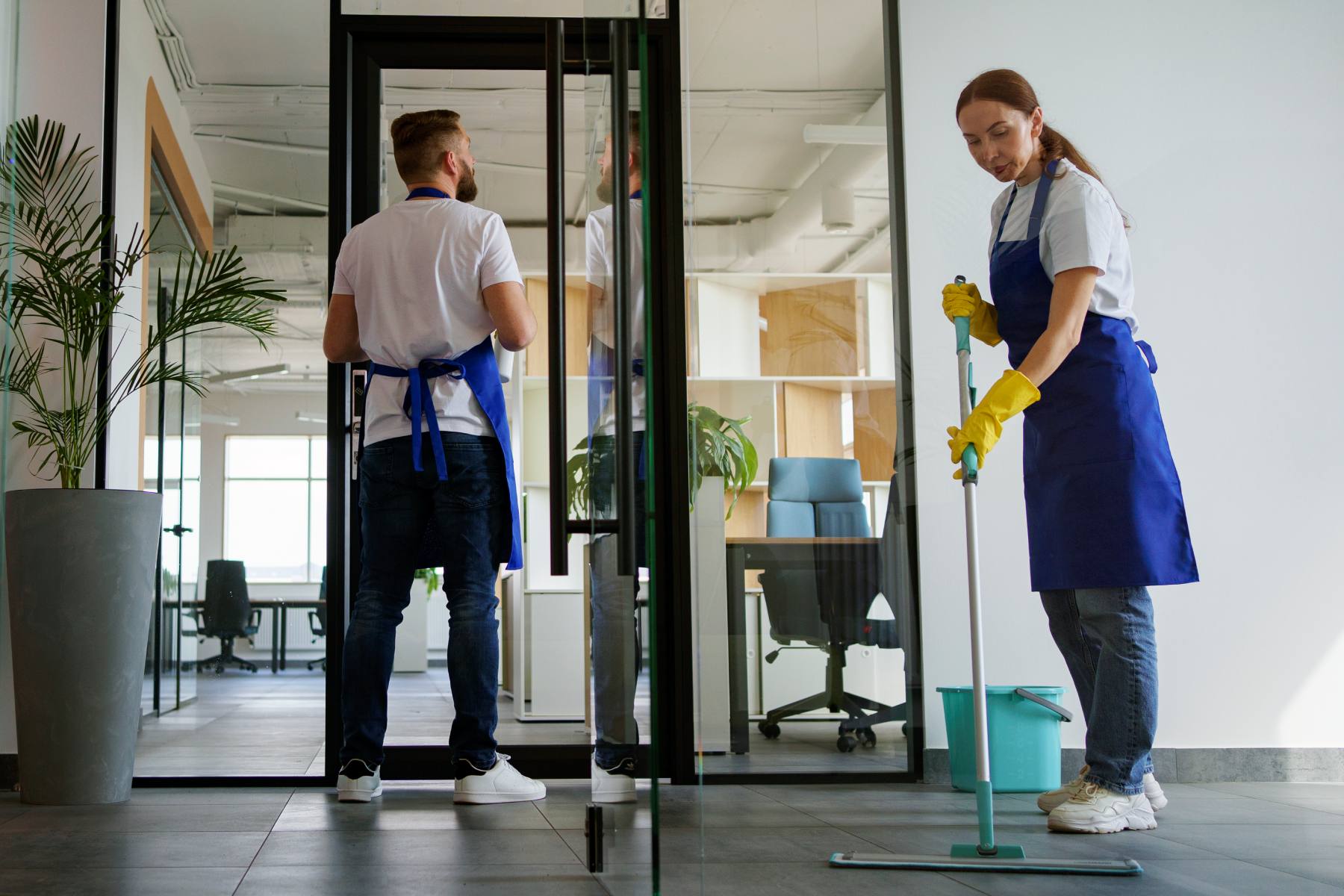
5. Prioritise Improvements Based on the Findings
After identifying gaps, determine which improvements should be addressed first.
A useful review considers the nature of each issue, its potential impact on environmental hygiene and the practicality of resolving it.
For example, an issue involving a potential hygiene risk may require more immediate attention than a minor documentation inconsistency. The appropriate response will depend on the circumstances, applicable requirements and the procedures established for the premises.
Possible improvements may include:
- Clarifying task ownership and responsibilities.
- Revising cleaning schedules to better reflect operating conditions.
- Updating procedures following changes to the premises.
- Improving record-keeping instructions.
- Establishing clearer follow-up arrangements.
- Coordinating maintenance or other corrective work where required.
Each improvement should address an identified gap. This helps keep the programme practical and makes it easier to communicate what needs to change.
6. Communicate Changes to the Relevant Personnel
Even a well-planned improvement may not produce the intended result if the people responsible for carrying it out do not understand the changes.
Once a procedure has been revised, the relevant personnel should be informed of what has changed, why the change is necessary and what is expected of them.
For example, if a cleaning schedule is adjusted, staff should understand the revised timing, the areas covered and who is responsible for completing and recording each task.
Communication may involve briefings, updated instructions or other arrangements appropriate to the workplace.
The Environmental Control Coordinator may support this process by helping communicate relevant requirements, coordinating with the Premises Manager and monitoring whether the updated arrangements are being implemented.
Clear communication helps reduce misunderstandings and supports more consistent environmental hygiene practices across the premises.
7. Follow Up to Check Whether Improvements Are Working
A review should not end when a revised procedure is introduced.
Follow-up checks help establish whether the change has addressed the original gap. This may involve observing the updated procedure in practice, checking relevant records or reviewing whether the same issue continues to occur.
For example, if a cleaning schedule was revised because a shared area was frequently missed, a follow-up review can check whether the area is now being maintained consistently.
If the issue continues, further investigation may be necessary. The schedule may still be unsuitable, responsibilities may remain unclear, or another factor may be affecting implementation.
This creates a continuous improvement process: review the programme, identify gaps, introduce appropriate changes and check the results.
Why Regular Reviews Matter for Environmental Hygiene
Understanding the broader Environmental Control Coordinator responsibilities helps explain how programme reviews support consistent environmental hygiene practices.
Environmental sanitation is not a one-time task. Premises, equipment, personnel and operating conditions can change, affecting how well existing procedures work.
Regular reviews help organisations recognise these changes and assess whether their arrangements remain appropriate.
A structured review can also improve accountability by making responsibilities clearer and helping relevant personnel understand how their work contributes to environmental hygiene.
For Environmental Control Coordinators, this involves more than checking whether procedures exist. It requires an understanding of how to review relevant information, identify areas for improvement, communicate findings and support follow-up actions.
The specific review process should reflect the premises, applicable requirements and the responsibilities assigned to the people involved.
Final Thoughts
An effective Environmental Sanitation Programme needs to remain relevant to the way a premises operates. Reviewing documented procedures, observing workplace practices, examining records and following up on improvements can help identify gaps before they become persistent problems.
The goal is not simply to maintain a set of documents. It is to ensure that environmental sanitation procedures are practical, understood and consistently implemented.
By approaching programme reviews systematically, organisations can make more informed improvements and support a more reliable approach to environmental hygiene.
Learn More About Environmental Control Coordinator Training
Environmental Control Coordinators play a role in supporting environmental hygiene practices and the implementation of an Environmental Sanitation Programme. Developing the relevant knowledge can help individuals better understand their responsibilities in maintaining and reviewing environmental hygiene arrangements.
Explore the Environmental Control Coordinator (ECC) course offered by XpRienz to learn more about the training and its requirements.