
Baking is often seen as a specialised skill, but its value can extend beyond making cakes, bread or pastries.
For people working in Singapore’s F&B industry, developing practical baking skills can provide an opportunity to broaden their experience and explore different roles. It can also give those considering a career change a useful starting point for entering a different area of the food industry.
Of course, learning to bake does not automatically lead to a new job. Career development depends on experience, training, personal interests and the opportunities available. However, having practical skills can give individuals more options as they plan their next step.
Baking Skills Can Add to Your Existing Experience
Not everyone starts learning baking with the intention of completely changing careers.
Someone who already works in F&B may simply want to add another practical skill to their existing experience.
For example, a person with experience in kitchen operations may benefit from understanding baking techniques, while someone working in a café environment may find that basic baking knowledge helps them better understand the products they serve.
Having a broader range of skills can make it easier to adapt when responsibilities change or new opportunities become available.
Practical Skills Can Be Useful in Different Work Environments
Baking skills are not limited to traditional bakeries.
They can be relevant in cafés, hotels, restaurants, catering businesses and other food-related environments where baked products are prepared or served.
Different workplaces may have different requirements, but practical knowledge of ingredients, preparation methods, equipment and production processes can provide a useful foundation.
For someone exploring opportunities within F&B, this flexibility can be valuable.
It allows them to consider different working environments rather than limiting themselves to one type of role.
Professional Skills Go Beyond Making the Product
As we discussed in our earlier article on baking consistency, being able to make a product successfully once is only part of developing baking skills.
In a professional environment, consistency, time management and attention to detail become increasingly important.
A workplace may require the same product to be prepared repeatedly while maintaining a consistent standard. There may also be deadlines to meet and multiple tasks to manage at the same time.
These expectations are different from baking occasionally at home.
Developing professional habits can therefore help learners understand what is expected when baking becomes part of their working responsibilities.
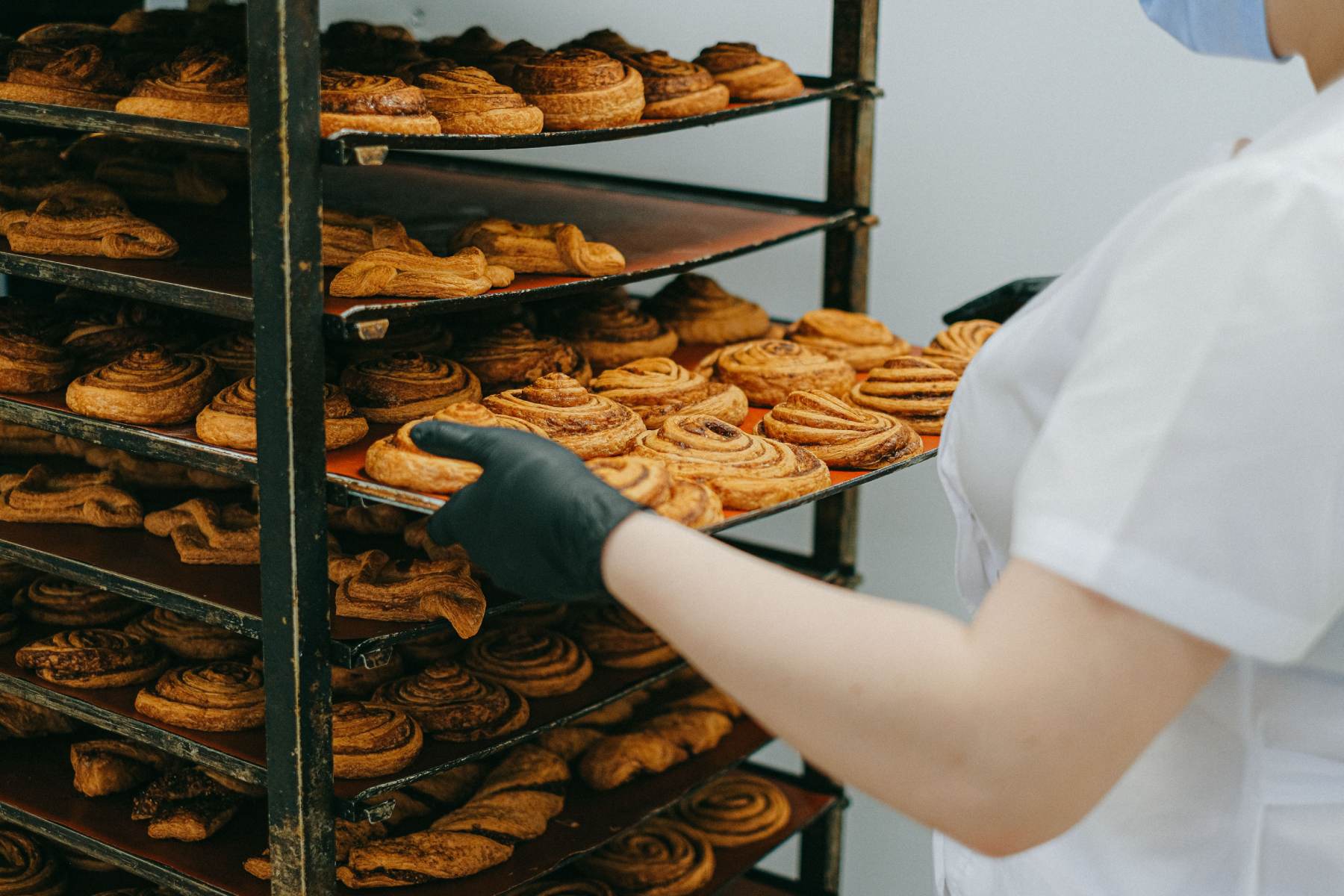
Training Can Help Turn Interest Into Practical Ability
Having an interest in baking is a good place to start, but practical training can help turn that interest into a more developed skill.
Structured learning gives participants the opportunity to practise techniques, work with equipment and understand the process under guidance.
It can also help learners identify areas where they need more practice instead of trying to figure everything out through trial and error.
For anyone considering baking as part of their professional development, choosing the right learning approach can make a difference.
Your Next Career Move Does Not Have to Be a Big Change
Career development does not always mean leaving your current job and starting again from zero.
Sometimes, it means adding a new skill to what you already know.
A kitchen employee may want to develop baking skills alongside their existing responsibilities. Someone with F&B experience may want to move into a role that involves more food preparation. Others may simply want to build practical knowledge before deciding what direction to take next.
These smaller steps can gradually create new possibilities.
The important thing is to develop skills that are useful, practical and relevant to the direction you want to explore.
Baking Skills Can Be a Starting Point, Not the Final Destination
Learning baking does not have to determine your entire career.
Instead, it can be one part of a wider skills development journey.
As people gain experience, they may discover that they enjoy production work, product development, kitchen operations or other areas of the F&B industry.
This can help them make more informed decisions about what they want to learn next.
The more practical experience someone gains, the easier it becomes to understand which areas suit their interests, strengths and career goals.
Final Thoughts
Baking skills can provide more than the ability to follow a recipe or produce a finished product.
When combined with practical experience, consistency and professional habits, they can become a useful addition to someone’s existing skill set and support future career development.
For some people, baking may become part of their current F&B role. For others, it may provide a starting point for exploring a different direction.
There is no single career path that applies to everyone. What matters is building practical skills that give you more choices as your experience grows.
Ready to Take the Next Step?
If you are considering developing baking skills as part of your professional development, practical training can give you the foundation and experience needed to move forward with greater confidence.
At XpRienz, our baking courses provide hands-on learning designed to help participants develop practical skills and understand baking techniques in a structured environment.
Whether you are building new skills for your current role or exploring a different direction within the F&B industry, developing your baking knowledge can be a valuable step towards your next opportunity.