
A recipe gives you the ingredients, measurements and instructions needed to make a particular product. But anyone who has spent time baking knows that following the instructions does not always guarantee the same result.
Two people can use the same recipe and still end up with different results. One cake may rise evenly while another turns out dense. One batch of bread may have the right texture, while another feels too dry or heavy.
This is because baking is not only about following instructions. It also requires an understanding of ingredients, temperature, timing and technique. These practical skills allow bakers to understand what is happening during the process and make better decisions when things do not go exactly as planned.
A Recipe Tells You What to Do, But Not Always Why
Recipes are useful because they provide a clear starting point. They tell you how much flour, sugar, butter or other ingredients to use and usually explain the basic steps involved.
However, a recipe does not always explain why each step matters.
For example, the way ingredients are mixed can affect the final texture. The temperature of the ingredients can also influence how a mixture behaves. Even something as simple as adding an ingredient too quickly or mixing for too long can change the final result.
Understanding the reason behind each step helps bakers move beyond simply copying a recipe.
It also makes it easier to recognise what may have gone wrong when the finished product does not turn out as expected.
Small Changes Can Affect the Final Result
Baking can be less forgiving than it looks.
A small difference in measurement, temperature or timing can affect the finished product. This is especially noticeable when working with ingredients that need to react in a specific way during the baking process.
For beginners, this can be frustrating. A recipe may appear straightforward, yet the result may not look or feel the same as the example they expected.
Over time, bakers learn to pay attention to these details. They begin to understand how ingredients behave and how different factors can influence the outcome.
This is where practical baking skills become important.
Knowing What to Look For Matters
Experienced bakers do not rely only on the clock.
They also look at the texture, colour, consistency and appearance of what they are making. These observations help them decide whether something needs more mixing, more time or a change in technique.
For example, dough may need to reach a certain consistency before it is ready for the next stage. A cake may need to be checked for more than just its baking time. The same applies to bread, pastries and other baked products.
Learning to recognise these signs takes practice.
It is one of the reasons baking is a skill that develops through experience rather than simply memorising recipes.
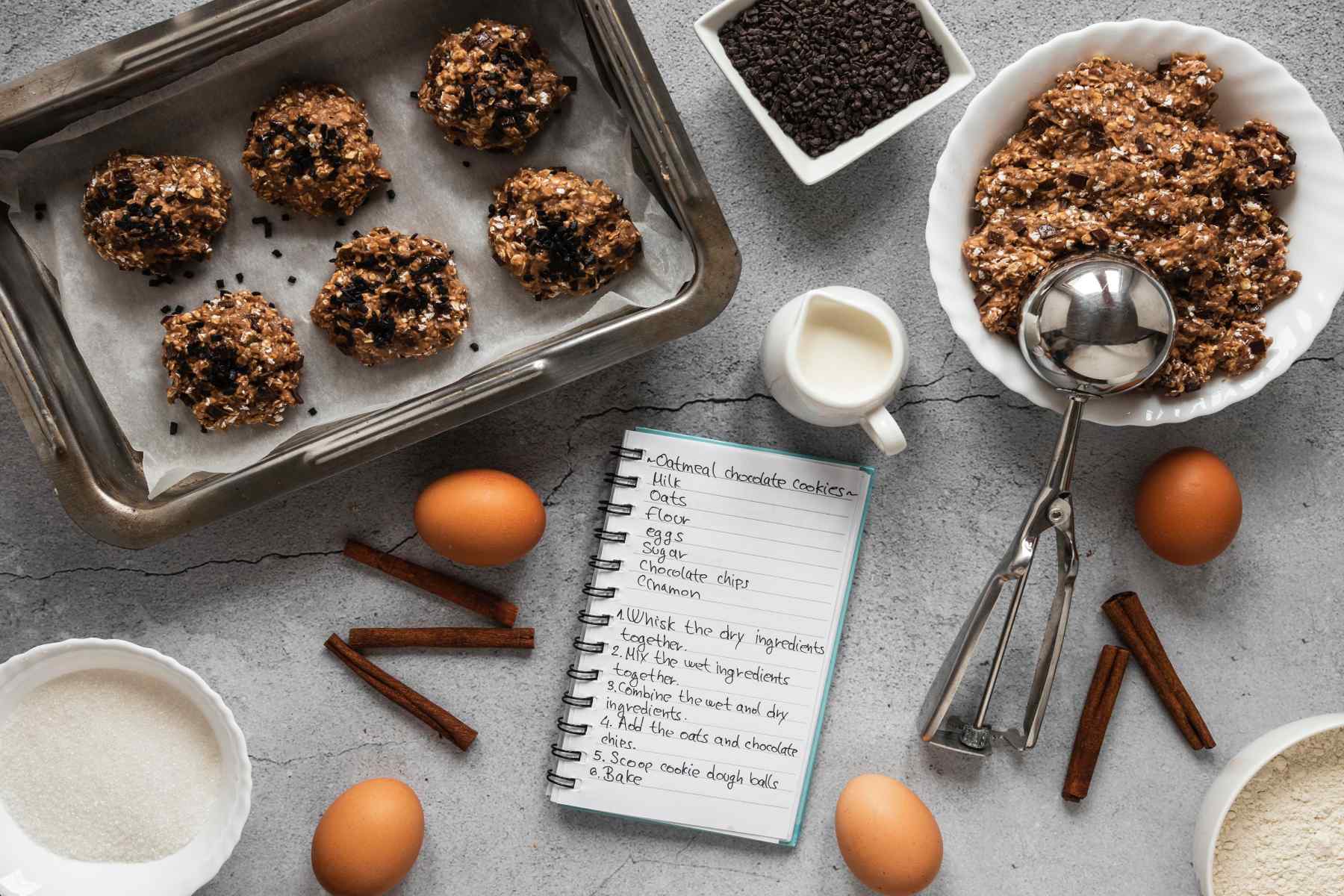
Mistakes Are Part of Learning to Bake
Not every bake will turn out perfectly, especially when someone is still developing their skills.
A cake that sinks, bread that does not rise or pastry that loses its shape can all provide useful lessons. Instead of simply following the recipe again and hoping for a different result, it is more useful to understand what may have caused the problem.
Was the temperature too high?
Was an ingredient measured incorrectly?
Was the mixture overworked?
Was the dough given enough time to rest?
Learning to ask these questions helps bakers improve from one attempt to the next.
For beginners who want to build a stronger foundation, understanding the different types of baking courses available can also help them choose a learning path that matches their goals.
Practice Helps Turn Knowledge Into Skill
Reading recipes and watching baking demonstrations can help someone understand the basic process. However, practical experience provides something that instructions alone cannot.
When learners actually prepare ingredients, work with dough or batter and use baking equipment, they begin to understand how the process feels and how small changes affect the result.
They also have opportunities to make mistakes, identify problems and try again.
This type of practice gradually builds confidence. Instead of depending completely on written instructions, bakers become more comfortable making decisions based on what they see and experience.
Baking Skills Develop Over Time
Becoming better at baking does not happen after making one successful cake or following one recipe correctly.
It comes from repeating the process, paying attention to details and learning from each result.
As skills improve, bakers become more comfortable adjusting their approach when conditions change. They can recognise when something does not look right and understand what may need to be corrected.
This ability to adapt is what turns baking from simply following instructions into a practical skill.
Final Thoughts
A recipe is a useful guide, but it is only the starting point.
Good baking also depends on understanding ingredients, controlling temperature, paying attention to timing and developing the ability to recognise how a mixture, dough or finished product should look and feel.
For beginners, this may take time to develop. With regular practice and the right guidance, however, these skills become easier to understand and apply.
Ultimately, learning to bake is not just about producing a successful result once. It is about understanding the process well enough to achieve better and more consistent results over time.
Ready to Build Your Baking Skills?
Developing practical baking skills takes more than reading recipes. Hands-on practice and proper guidance can help learners understand techniques, work confidently with ingredients and build a stronger foundation in baking.
At XpRienz, our baking training provides learners with practical experience that helps turn basic knowledge into usable skills.
Whether you are starting from the basics or looking to strengthen your existing abilities, structured training can give you the opportunity to learn, practise and improve in a supportive environment.