
Learning to bake can seem straightforward at first. You find a recipe, gather the ingredients, follow the instructions and put everything in the oven.
Then the result comes out differently from what you expected.
The cake may be too dense, the bread may not rise properly or the pastry may not have the texture you were hoping for. These situations are common when learning to bake, and they do not necessarily mean that someone is not good at it.
In many cases, the problem comes down to small habits that beginners have not yet learned to recognise.
Understanding these common mistakes can make the learning process much easier.
Treating Measurements as Approximate
One of the easiest mistakes for beginners to make is assuming that a small difference in measurement will not matter.
In cooking, there is often more room to adjust ingredients based on taste or preference. Baking can be different. The balance between ingredients can affect the texture, structure and final result.
Using too much flour, for example, can produce a heavier product, while changing the amount of liquid can affect how a mixture comes together.
This is why accurate measurement is an important habit to develop from the beginning.
Rather than relying on guesswork, beginners should take the time to measure ingredients carefully and follow the recipe as closely as possible while they are still learning.
Changing the Recipe Too Early
Once someone becomes interested in baking, it is natural to want to experiment.
Perhaps they want to use less sugar, replace an ingredient or add something extra to change the flavour.
Experimentation can eventually become part of developing baking skills, but making too many changes before understanding the original recipe can make it difficult to identify what went wrong.
For beginners, it is often more useful to first understand how a recipe works before making significant adjustments.
Once the basic technique becomes familiar, experimenting becomes much easier because the baker has a better idea of what each change may do.
Not Paying Enough Attention to Temperature
Temperature can have a major effect on baking, but beginners sometimes focus so much on the ingredients that they overlook it.
The temperature of the ingredients, the oven and even the surrounding environment can affect how a product develops.
An oven that is too hot may cause the outside to brown before the inside is properly cooked. A temperature that is too low can affect the structure and texture.
This is why following the recommended temperature is important, especially when learning the basics.
Over time, bakers also become more familiar with how their equipment behaves and learn to recognise when adjustments may be needed.
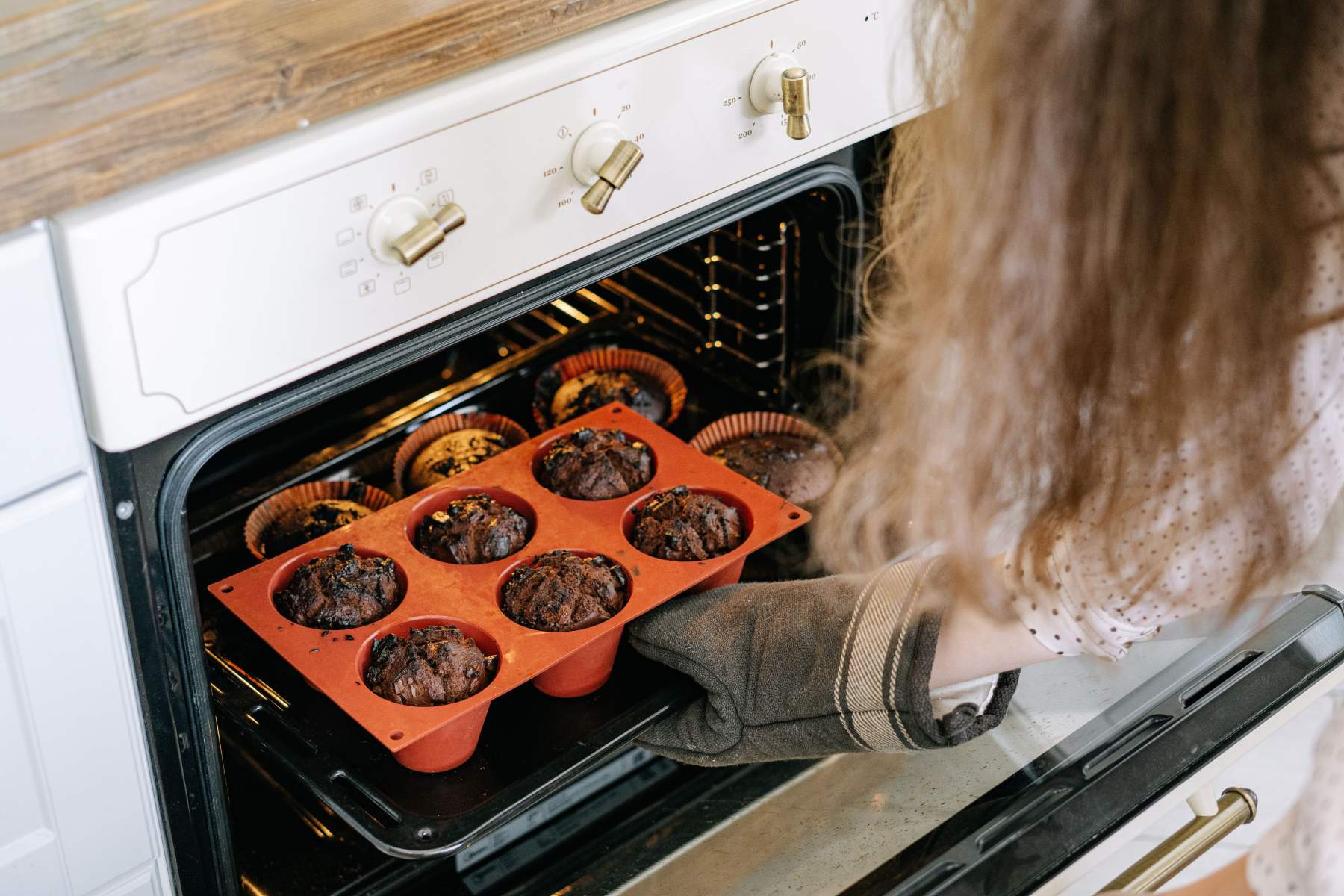
Rushing the Process
Another common mistake is trying to make everything happen faster.
Baking often requires patience. Dough may need time to rest or rise, while certain mixtures need to be prepared in a particular order.
Skipping a step or reducing the recommended time may seem harmless, but it can affect the final result.
Beginners sometimes become frustrated when a recipe takes longer than expected. However, learning to work at the right pace is part of developing good baking habits.
The goal is not simply to finish as quickly as possible. It is to understand why each stage matters.
Relying Only on the Timer
A timer is useful, but it should not be the only thing a baker pays attention to.
Different ovens can produce slightly different results, and the size or shape of a product can also affect how quickly it bakes.
This means that two batches using the same recipe may not always require exactly the same amount of time.
Learning to look at colour, texture and other signs of doneness helps beginners become more aware of what is happening during the baking process.
This is one of the skills that becomes easier with regular practice.
Getting Discouraged by a Failed Bake
Perhaps the biggest mistake beginners can make is assuming that a failed bake means they are not capable of learning.
Baking involves a lot of small details, and mistakes are part of the process.
A loaf that does not rise or a cake that collapses can actually provide useful information. Instead of simply trying the same recipe again, it is worth thinking about what happened at each stage.
Was the measurement accurate?
Was the temperature correct?
Was the mixture handled properly?
Was enough time given for the dough to develop?
Asking these questions turns a disappointing result into an opportunity to improve.
Learning From Each Attempt
Improvement comes from paying attention to what happens during the process, not just looking at the final product.
Beginners who take notes, observe their results and make small adjustments over time can gradually develop a better understanding of baking.
They begin to recognise patterns and become more confident in making decisions.
This is also why practical experience is important. The more opportunities learners have to work with ingredients, equipment and different techniques, the easier it becomes to understand how everything works together.
For those considering structured baking training, choosing a course based on practical learning can provide a useful environment to develop these skills.
Final Thoughts
Everyone makes mistakes when learning to bake.
What matters is understanding why something went wrong and using that experience to improve the next attempt.
Accurate measurements, temperature control, patience and attention to detail may seem like small things, but they can make a significant difference to the final result.
With practice, beginners can gradually move from simply following recipes to understanding the techniques behind them. That is when baking starts to feel less like trial and error and more like a skill that can be developed.
Ready to Build Your Baking Skills?
Learning from mistakes is an important part of becoming a better baker, but having the right guidance can make the process easier.
At XpRienz, our baking training focuses on developing practical skills through hands-on learning, giving participants the opportunity to practise techniques and build confidence in a structured environment.
If you are ready to strengthen your baking skills and learn through practical experience, explore our baking training options to find a course that suits your goals.