
When people think about learning to fly a drone, many assume it is only useful for photography or creating aerial videos. While these are well-known applications, they represent only a small part of how drones are used today.
As drone technology becomes more widely adopted, organisations across different industries are looking for people who can operate drones safely and professionally. This has created opportunities that go beyond creative work and into technical, operational and commercial environments.
For individuals looking to develop practical skills, professional drone training can be a valuable step towards exploring new career possibilities.
Construction and Infrastructure
Construction companies increasingly use drones to monitor project progress, capture aerial site images and document large developments.
Compared to traditional methods, drones allow teams to gather information more quickly while reducing the need to access difficult or potentially hazardous locations.
Professionals with drone skills can support project teams by collecting accurate visual data that helps managers monitor work and make informed decisions.
Media and Content Production
The media industry continues to be one of the most recognised areas for drone operations.
From promotional videos and documentaries to tourism campaigns, live events and commercial advertising, aerial footage has become an important part of visual storytelling.
Professional drone operators understand not only how to fly safely but also how to capture stable, purposeful footage that meets the needs of different productions.
Inspection and Survey Work
Many industries now use drones to inspect buildings, bridges, rooftops and other structures that may be difficult or unsafe to access directly.
Instead of relying solely on manual inspections, organisations can collect detailed aerial images while reducing time and improving safety.
Drone operators who understand how to plan flights and gather accurate visual information play an important role in supporting these inspections.
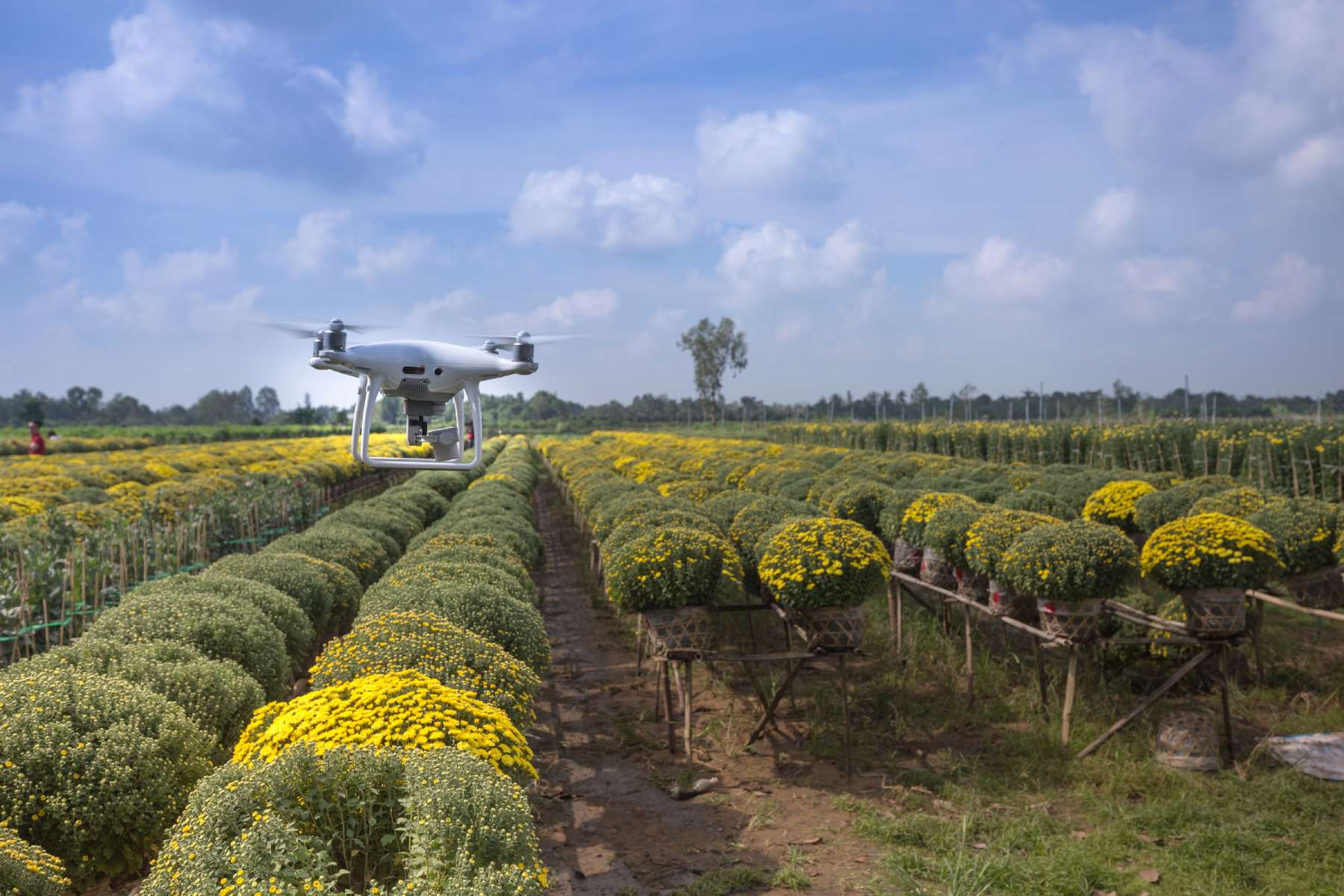
Agriculture and Environmental Projects
Drone technology is also becoming more common in agriculture and environmental management.
Aerial images can help monitor crops, assess land conditions and support environmental observations across large areas. As technology continues to improve, drones are expected to play an even greater role in helping organisations manage resources more efficiently.
For people interested in sustainability, technology or fieldwork, this is another area where professional drone skills can be applied.
Building Skills That Are Relevant Across Industries
One of the greatest advantages of learning drone operations is that the skills developed are transferable.
Professional drone operators learn how to observe their surroundings, assess risks, prepare equipment, solve problems and make informed decisions before every flight.
These practical skills are valuable across many industries, even as drone technology continues to evolve.
For beginners, structured learning also provides the confidence to develop these skills through guided practice rather than trial and error.
Final Thoughts
Professional drone skills are no longer limited to a single industry. From construction and infrastructure to media production, inspection and environmental projects, drones are becoming part of everyday operations in many workplaces.
As organisations continue to adopt drone technology, individuals with practical knowledge and responsible operating skills are likely to remain in demand.
Whether you are exploring a new career path or looking to add a valuable technical skill to your experience, professional drone training can open the door to a wider range of opportunities.
Ready to Take the Next Step?
If you’re interested in learning how drones are used in real working environments, practical experience is just as important as understanding the technology itself.
At XpRienz, our Aerial Camera Operations course combines hands-on training with real-world applications, helping participants build practical skills and confidence for professional drone operations.
Whether you’re developing a new capability or preparing for future career opportunities, structured training provides a strong foundation for success.