
When people watch a drone flying smoothly through the air, it often looks effortless. What they do not see is the preparation that takes place before the drone even leaves the ground.
Professional drone operations are not simply about flying. Every successful flight begins with careful planning, equipment checks and an understanding of the environment. These preparations help reduce risks, improve efficiency and ensure that each flight achieves its intended purpose.
Whether the drone is being used for aerial filming, site inspections or surveying, preparation is just as important as the flight itself.
Every Flight Starts with a Clear Objective
Professional drone operators do not fly simply because conditions look suitable. Every flight begins with a purpose.
Some projects require aerial photographs to monitor construction progress, while others focus on capturing video footage, inspecting infrastructure or documenting specific locations.
Having a clear objective helps operators decide where to fly, what equipment to prepare and how the flight should be carried out. It also reduces unnecessary flying and ensures that the information collected meets the project’s requirements.
Understanding the purpose of a flight is one of the first habits that separates professional operations from recreational flying.
Assessing the Location Before Flying
Before take-off, experienced drone operators spend time evaluating the surrounding environment.
They observe potential obstacles such as trees, buildings, power lines and nearby activities that could affect the flight. Weather conditions are also carefully considered, as wind, rain and visibility can significantly influence both safety and image quality.
By taking time to assess the location, operators can identify potential risks early and make adjustments before the flight begins.
Good preparation often prevents problems that would be much more difficult to manage once the drone is already in the air.
Equipment Checks Are Never Skipped
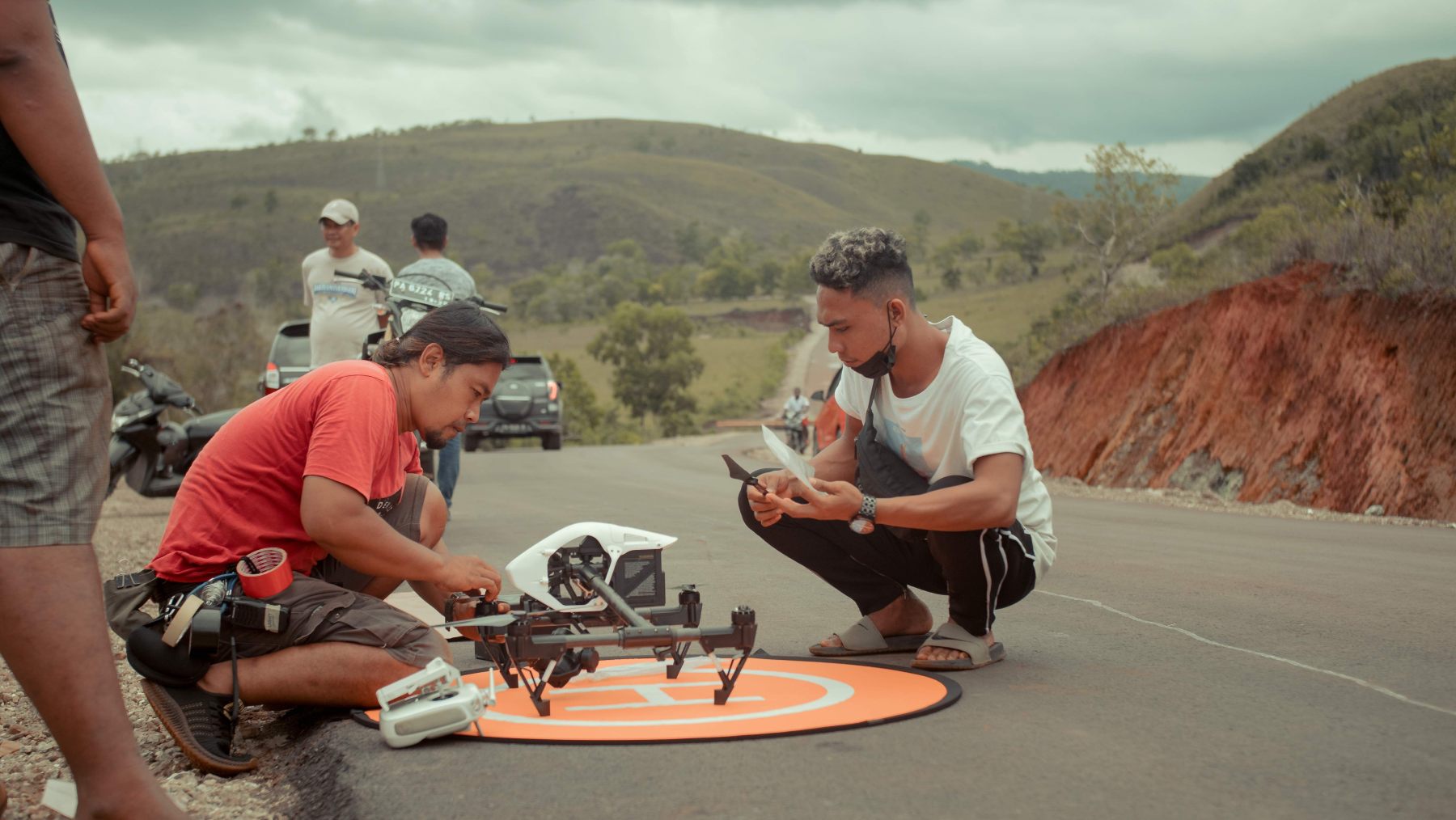
Professional drone operators develop the habit of checking their equipment before every flight, regardless of how familiar they are with the drone.
Battery levels, propellers, camera settings, memory cards and controller connections are all reviewed as part of a routine pre-flight inspection.
These simple checks only take a few minutes, but they help reduce the likelihood of technical issues during a flight.
Attention to these details reflects the discipline that professional drone operations require.
Safety Is Always Part of the Plan
One of the biggest differences between recreational flying and professional work is the level of attention given to safety.
Professional operators constantly consider the people, property and environment around them. They think ahead about what could happen if conditions change and prepare accordingly.
This mindset allows them to make better decisions before and during a flight rather than reacting to unexpected situations.
Safety is not a separate task—it is part of every stage of the planning process.
Experience Comes from Following the Process
Many beginners believe that confidence comes from flying more often.
While regular practice is important, experienced operators know that confidence also comes from following a consistent process before every flight.
Planning carefully, checking equipment and assessing the environment eventually become second nature. These habits help operators stay calm, make informed decisions and complete each flight more effectively.
Developing this routine is one of the reasons why structured practical training plays an important role in professional drone education.
Final Thoughts
A successful drone flight starts long before take-off. Careful planning, thorough equipment checks and a strong focus on safety all contribute to smooth and effective operations.
While flying a drone may appear straightforward, professional drone work requires preparation, awareness and good decision-making at every stage.
By understanding what happens behind the scenes, aspiring drone operators can develop habits that support safer flights and better results in real-world applications.
Ready to Learn Professional Drone Operations?
Flying a drone is only one part of becoming a skilled operator. Learning how to plan a flight, assess risks and prepare equipment is equally important in professional environments.
At XpRienz, our Aerial Camera Operations course combines classroom knowledge with hands-on practical training, giving participants the opportunity to experience the complete drone operation process from preparation to execution.
Whether you are looking to build practical skills or prepare for future career opportunities, structured training provides the foundation for confident and responsible drone operations.