
Many people assume that learning to fly a drone is simply about mastering the controls. Before attending their first training session, they often imagine that the biggest challenge will be keeping the drone steady in the air or capturing smooth footage.
While flying certainly requires practice, it is often not what surprises beginners the most.
Many first-time drone pilots quickly realise that professional drone operations involve much more than controlling the aircraft. From planning and preparation to making decisions during a flight, there are many small details that contribute to a successful outcome.
Here are some of the things that often surprise people when they begin learning.
Flying Is Only One Part of the Process
One of the biggest surprises for beginners is discovering that flying is only one part of the job.
Before a drone even leaves the ground, there is usually preparation involved. Operators need to understand the purpose of the flight, check that the equipment is ready and make sure the surrounding environment is suitable.
During training, many learners find that good preparation often leads to a smoother flight. Taking a few extra minutes to plan can help prevent unnecessary problems once the drone is in the air.
Every Flight Is Different
Unlike practising in the same location every day, real drone operations rarely happen under identical conditions.
Weather can change, lighting may vary and different environments can present different challenges. Flying over an open field is very different from operating near buildings or other structures.
Because of this, experienced drone operators learn to adapt instead of relying on the same routine every time. This ability develops gradually through practical experience and repeated practice.
Small Details Can Make a Big Difference
Many beginners are surprised by how much attention professional drone operators pay to small details.
Simple things such as checking battery levels, confirming camera settings or monitoring wind conditions may seem minor at first, but they can have a significant impact on the quality and safety of a flight.
Developing these habits early helps learners become more confident and consistent as they gain experience.
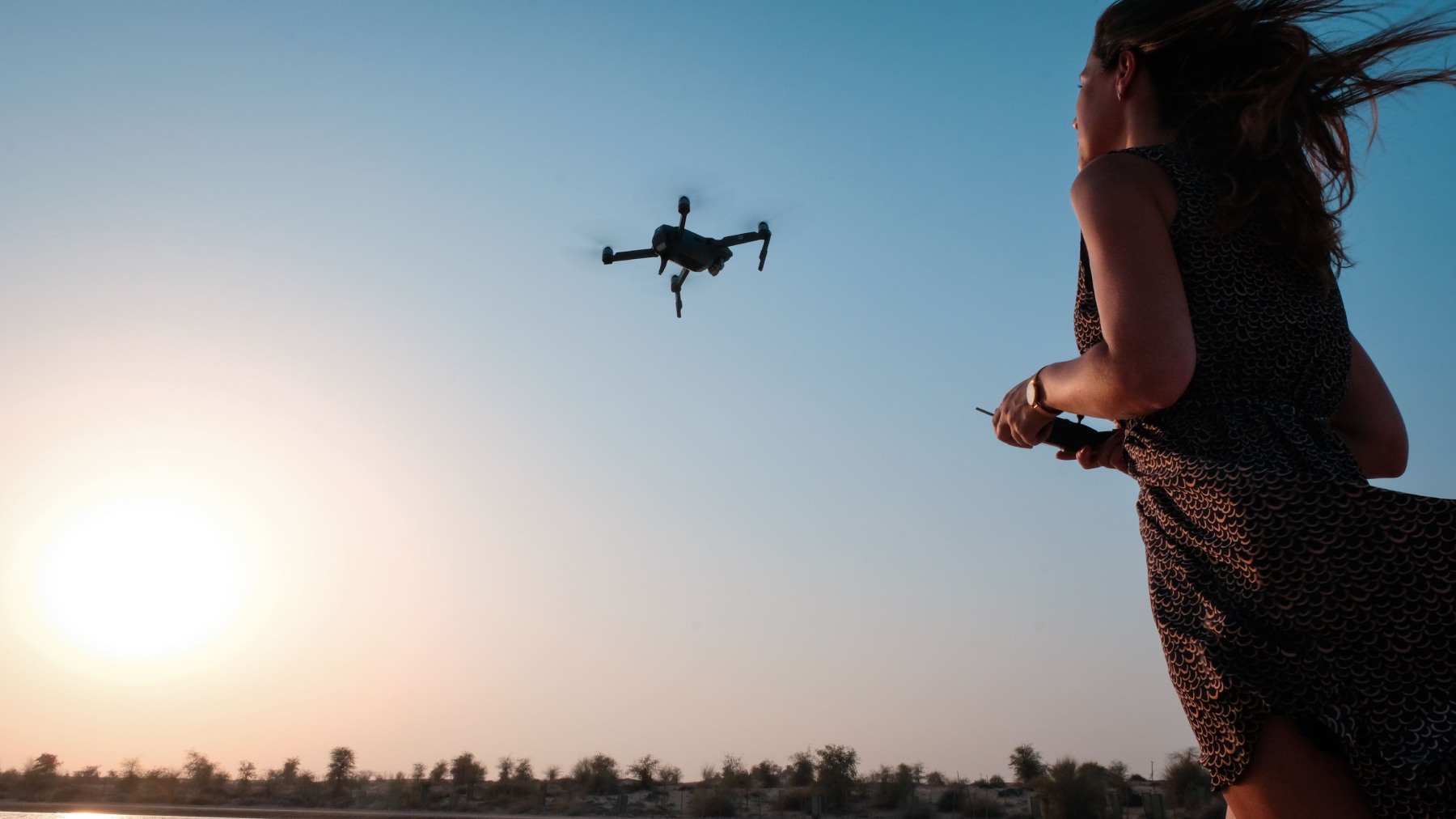
Confidence Comes Through Practice
It is natural to feel slightly nervous before flying a drone for the first time.
The good news is that confidence does not come from completing a single lesson. Instead, it develops through regular practice, guidance and learning from each flight.
This is why hands-on training is so valuable. Rather than only understanding concepts in theory, learners have the opportunity to apply what they have learned in practical situations.
Learning Goes Beyond Flying
Many people begin drone training expecting to learn only how to fly.
By the end of their training, however, they often discover that they have also developed skills in observation, planning, decision-making and problem-solving.
These are practical skills that can be applied across many professional environments where drones are used as part of everyday operations.
For beginners, this broader understanding is often one of the most rewarding parts of the learning journey.
Final Thoughts
The first drone flight is often exciting, but it also changes the way many people think about drone technology.
What initially appears to be a simple flying activity quickly becomes a structured process that requires preparation, awareness and continuous learning.
For anyone considering drone training, understanding these expectations early can make the learning experience more enjoyable and rewarding. With the right guidance and enough practical experience, beginners can build both confidence and skills that are valuable in a wide range of professional settings.
Interested in Building Practical Drone Skills?
Learning to fly a drone is only the beginning. Professional drone operations require planning, technical knowledge and practical experience that can only be developed through structured training.
At XpRienz, our Aerial Camera Operations course provides hands-on learning in realistic environments, helping participants build the confidence and practical skills needed for professional drone applications.
Whether you are exploring a new interest or preparing for future career opportunities, practical training is the best way to build a strong foundation.