
Why Hands-On Training Outperforms Classroom Learning
In technical fields like drone operations, real-world performance depends on execution, not just theoretical knowledge. While classroom learning provides foundational concepts, it often cannot prepare learners for the dynamic challenges of operating drones in real environments.
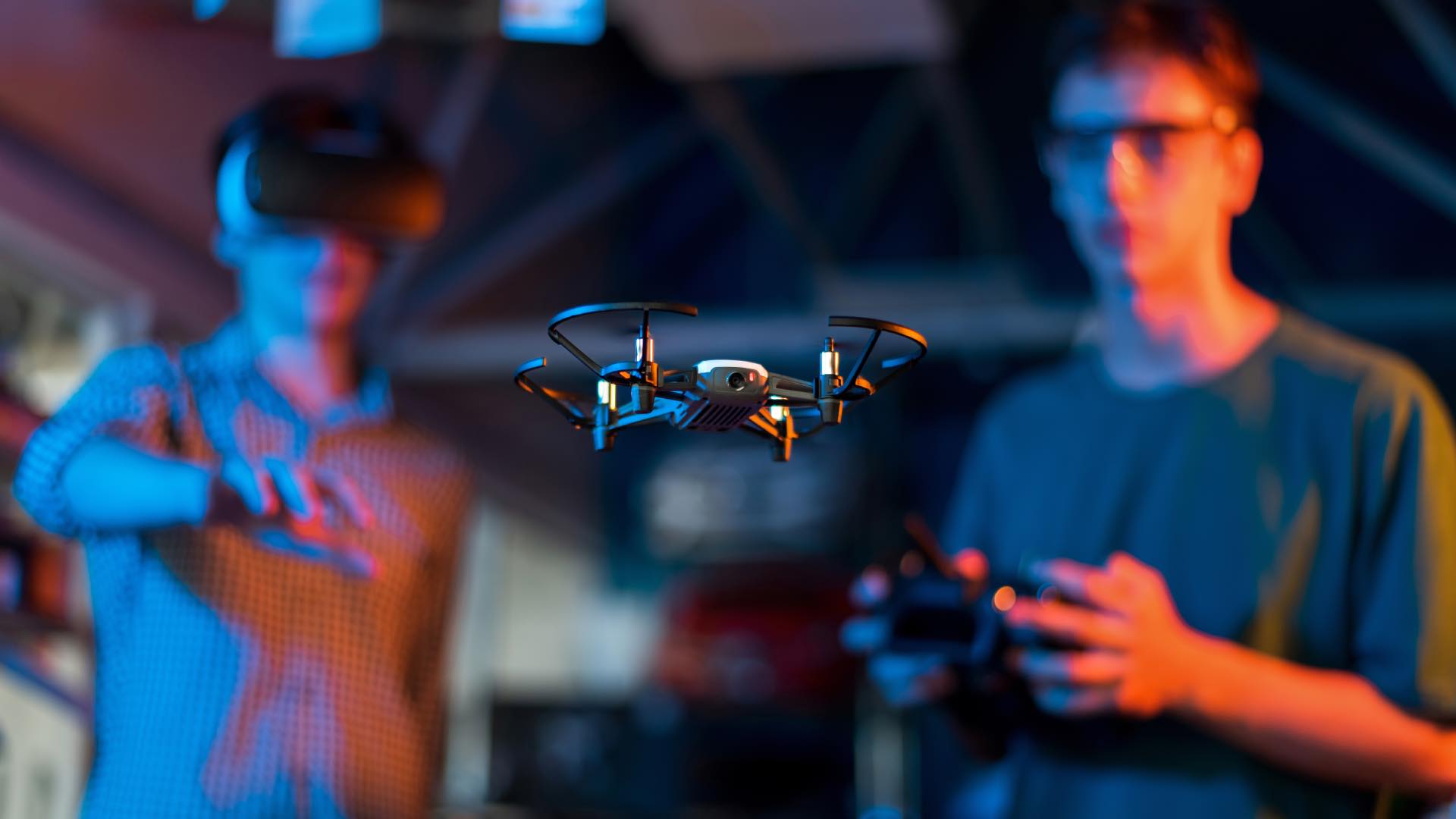
The solution? Hands-on training, such as Xprienz’s Aerial Camera Operations course, where learners apply theory directly through practical experience.
Hands-On Training Focuses on Application
Classroom learning focuses on understanding principles, but applying them under real conditions is a different challenge.
The Aerial Camera Operations course at Xprienz allows learners to:
- Control drones in realistic settings
- Navigate obstacles and environmental factors
- Respond to unexpected scenarios safely
By practicing in real environments, learners can bridge the gap between knowledge and execution.
Skills Are Built Through Repetition
Mastering drones requires muscle memory and consistent application.
In Xprienz’s course, learners repeat key exercises such as:
- Manual maneuvering and camera control
- Aerial composition and filming techniques
- Emergency responses and safety protocols
These repeated hands-on experiences ensure learners develop stable and reliable skills, which classroom instruction alone cannot provide.
Mistakes Become Valuable Learning Opportunities
One of the key benefits of practical training is the ability to make and correct mistakes safely.
In the Aerial Camera Operations course, mistakes are expected and guided:
- Misjudged maneuvers teach spatial awareness
- Camera misalignment shows the impact on output quality
- Handling sudden environmental changes builds decision-making
This controlled practice ensures learners gain confidence before operating independently.
Real-World Example: Drone Operations
Unlike classroom simulations, Xprienz’s course immerses learners in actual drone operations. Participants experience:
- Variable weather and lighting conditions
- Real-time decision-making and coordination
- Hands-on troubleshooting and problem-solving
These experiences mirror what professionals encounter in commercial or creative drone work, making the skills immediately applicable on the job.
Direct Impact on Job Performance
Practical training in Xprienz’s Aerial Camera Operations course translates directly into workplace competency:
- Improved drone control and precision
- Better problem-solving in live environments
- Increased confidence in executing projects independently
Hands-on experience ensures that learners can perform consistently under real-world conditions, not just in theory.
Why This Matters for Career Progression
In drone operation roles, employers value proven hands-on ability more than theoretical knowledge.
Completing Xprienz’s course demonstrates:
- Readiness for professional aerial projects
- Ability to handle dynamic operational challenges
- Practical application of safety and technical standards
This can accelerate career progression, as learners are immediately prepared to contribute to real-world projects.
Choosing the Right Training Approach
When deciding between classroom and hands-on learning, ask:
“Will this prepare me for real drone operations?”
If your role involves:
- Remote piloting and camera control
- On-site problem-solving
- Decision-making under pressure
Then a course like Xprienz’s Aerial Camera Operations provides the necessary practical experience.
Final Thoughts
Hands-on training is not just a complement to classroom learning — it is essential for developing real-world skills.
Xprienz’s Aerial Camera Operations course exemplifies how practical training:
- Bridges the gap between theory and execution
- Builds confidence through repetition and real scenarios
- Prepares learners for professional challenges
For anyone looking to master drone operations in Singapore, hands-on experience is the most effective way to achieve competence and career readiness.